Waste Management
We provide the best Integrated Waste Management service
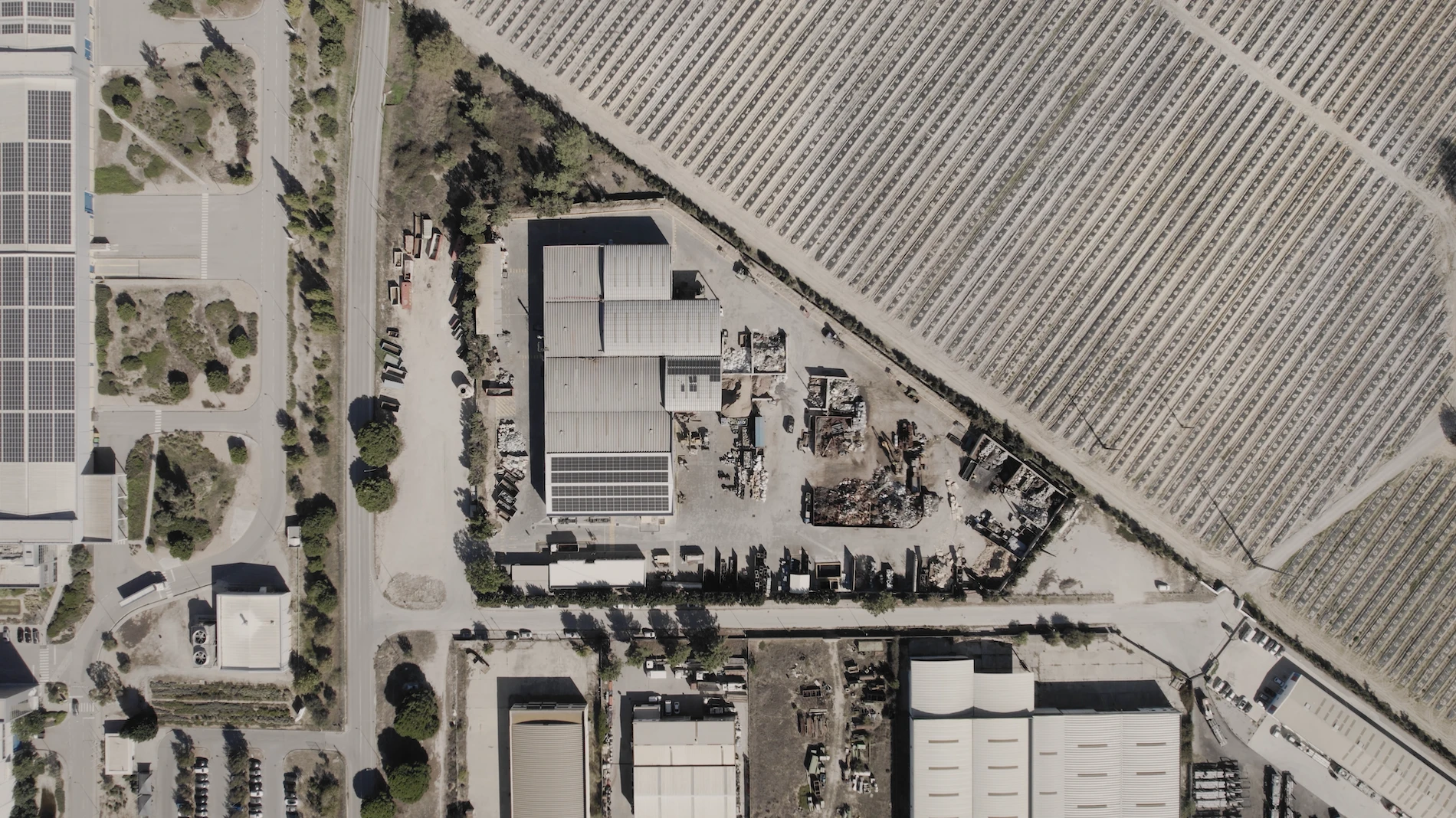
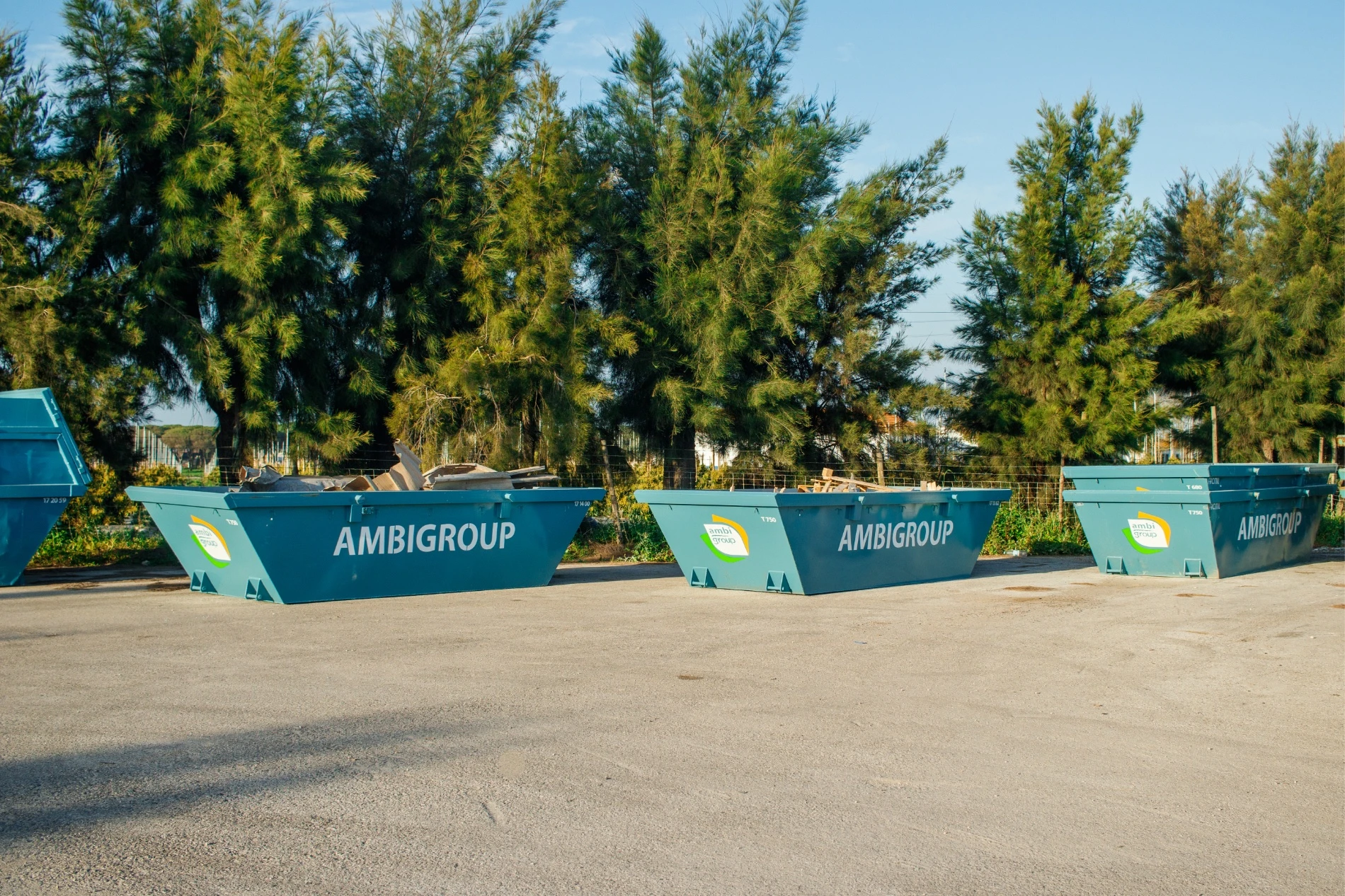
Waste Management is one of Ambigroup’s most important areas, which, combined with the technological advancements it promotes, enables us to provide alternative solutions that minimize environmental impacts.
Waste we manage
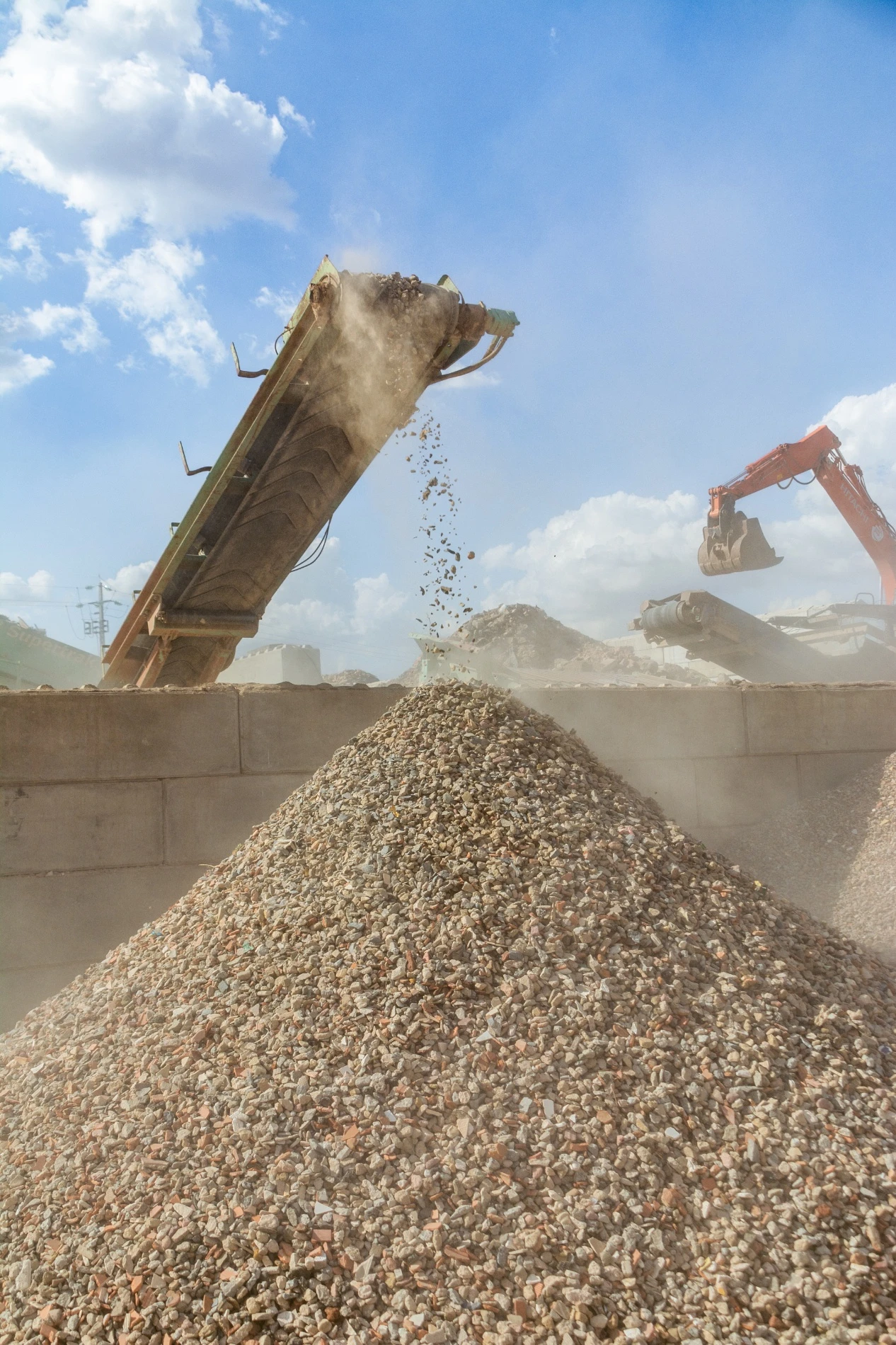
This type of waste (CDW) is generated in construction, reconstruction and demolition works. It includes materials such as inert materials, concrete, bricks, wood, glass, cement bags, among others.
The waste is transported to our treatment units, where it is further processed.
These types of waste result from the industrial processes of each client, varying depending on the business area. Some examples are: metals, cardboard, plastics, rubbers, ceramics, etc.
In our facilities, they are subsequently subjected to separation processes in order to be recycled.
If it is impossible to recycle, the waste is sent to our Waste-Derived Fuel production units, with a view to its energy recovery.
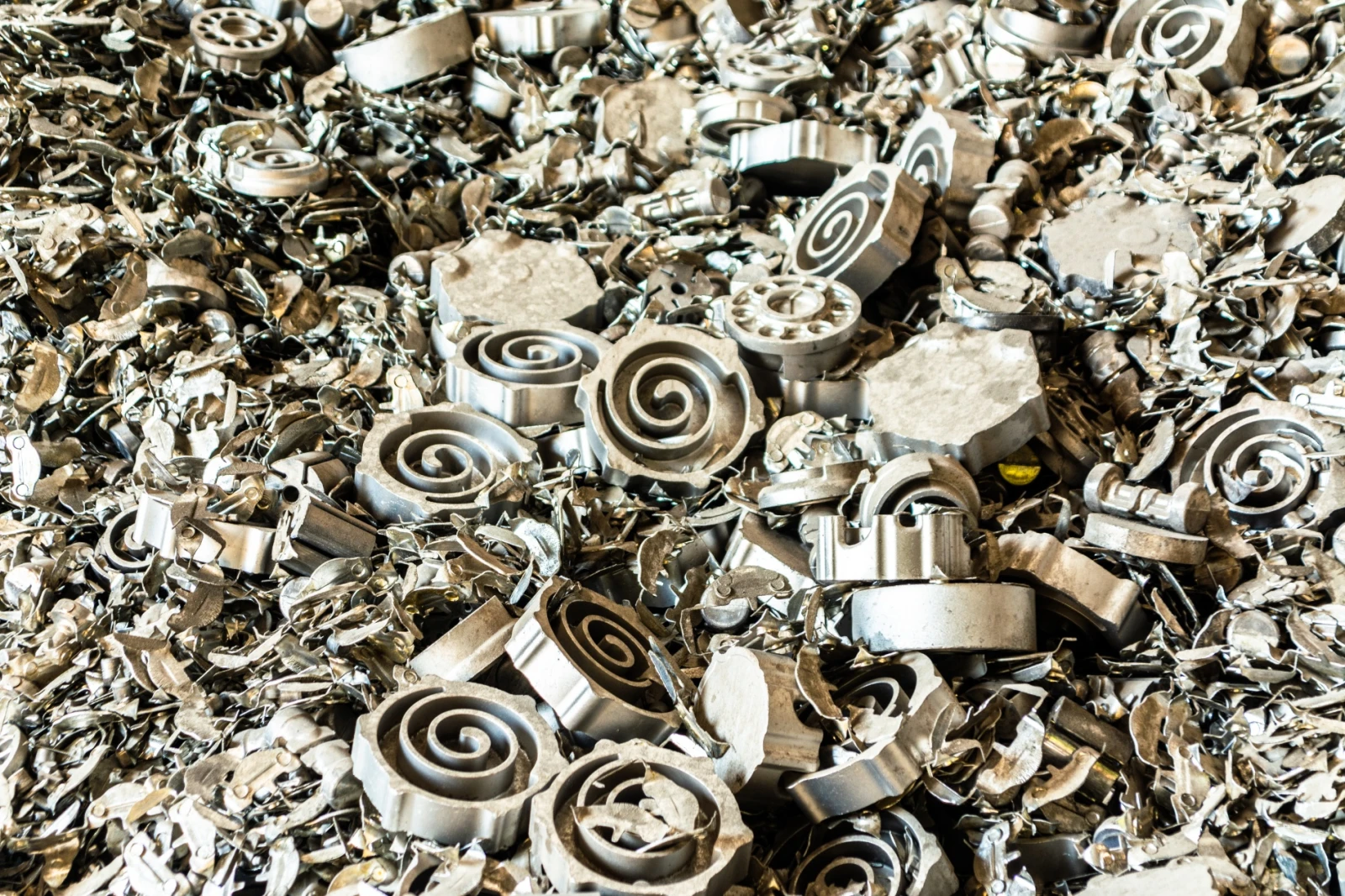
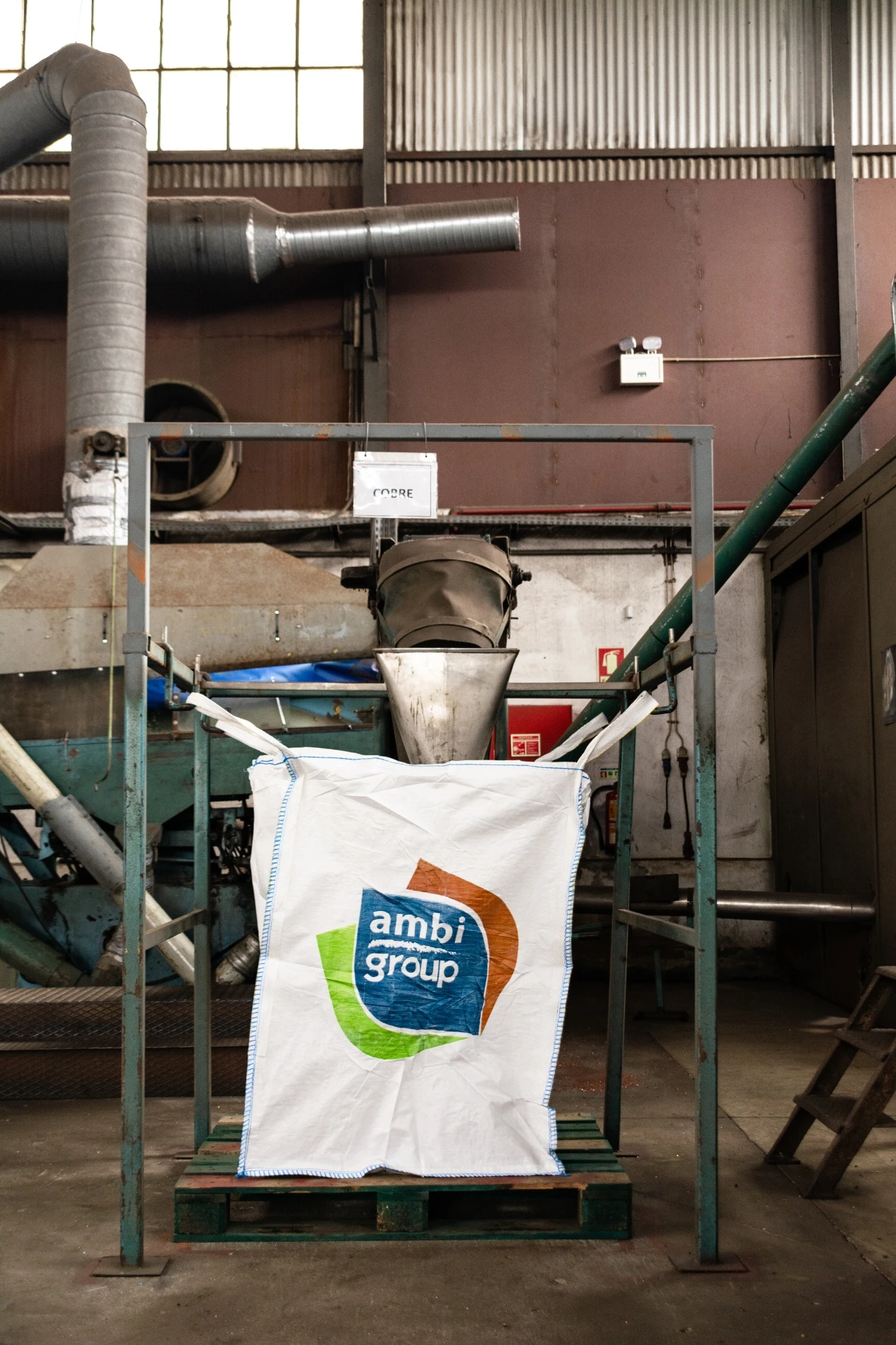
We manage metal waste, and there are two groups of metals that are easily distinguishable from each other: ferrous and non-ferrous.
These materials can be received in different ways, including swarf, mixed and unmixed.
Technological innovation and implemented systems allow for continuous reuse, through processes of fragmentation, separation and purification of final fractions.
Some examples of the metals managed are: Steel, Stainless Steel, Aluminum, Copper, etc.
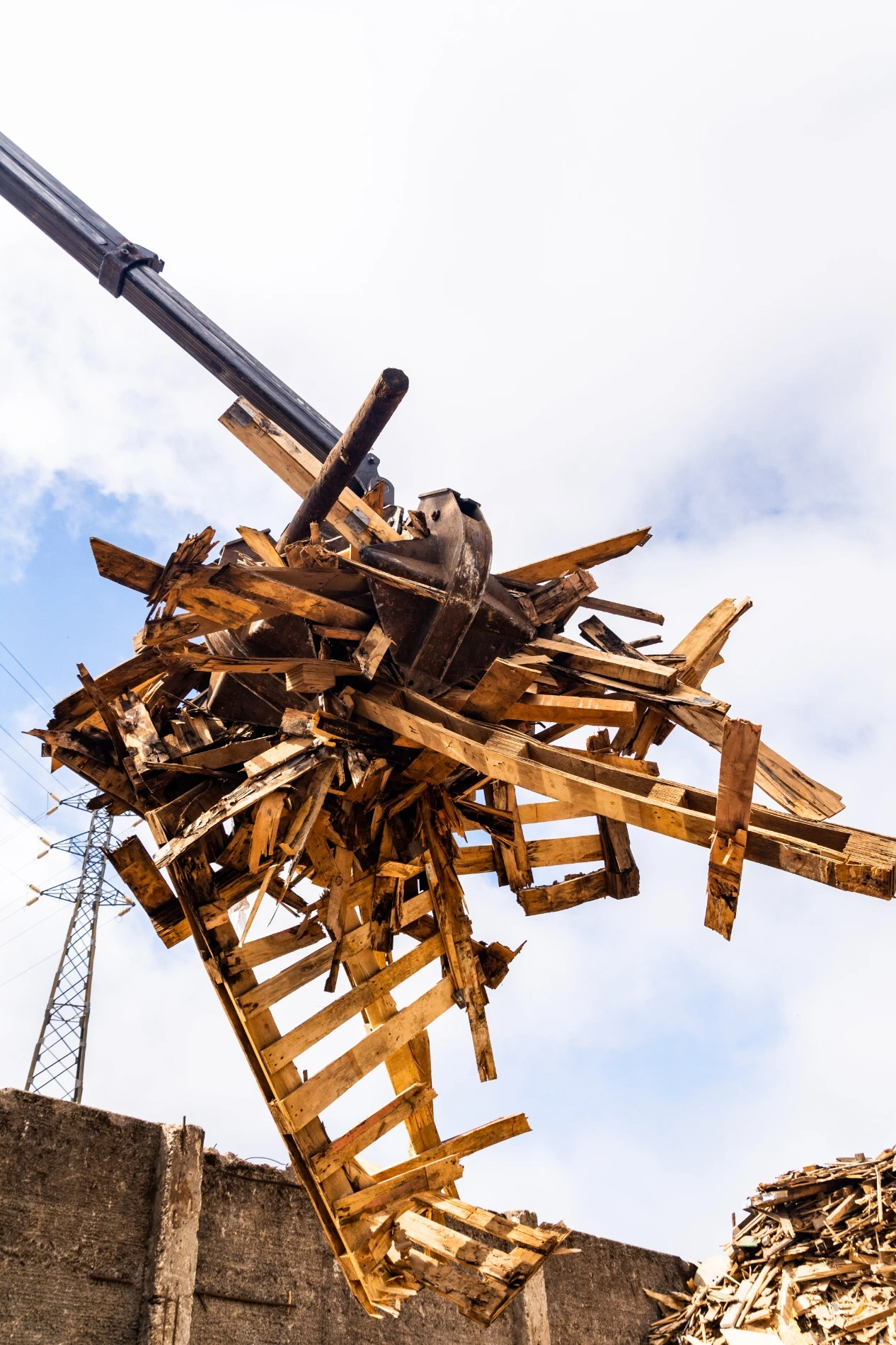
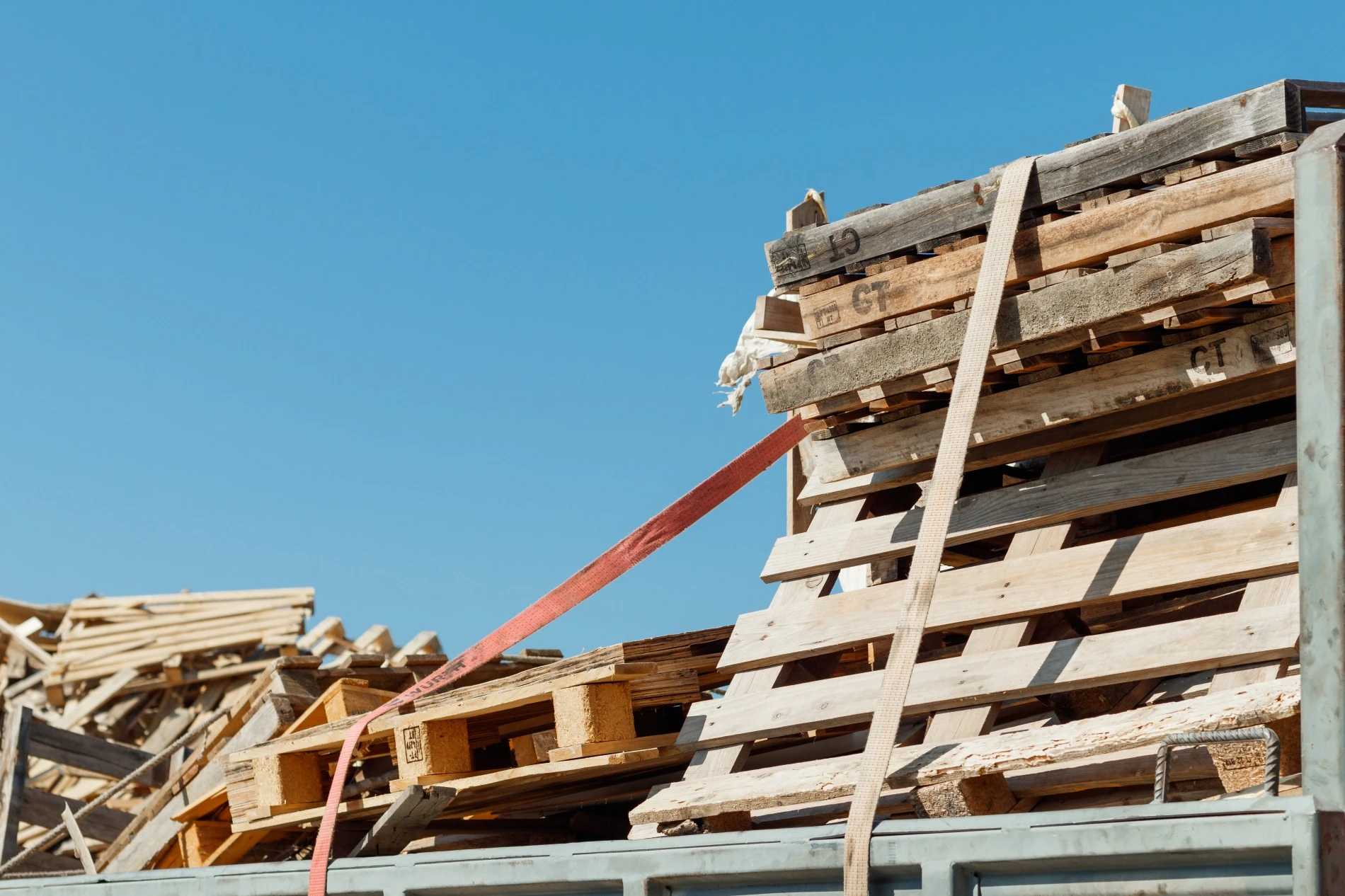
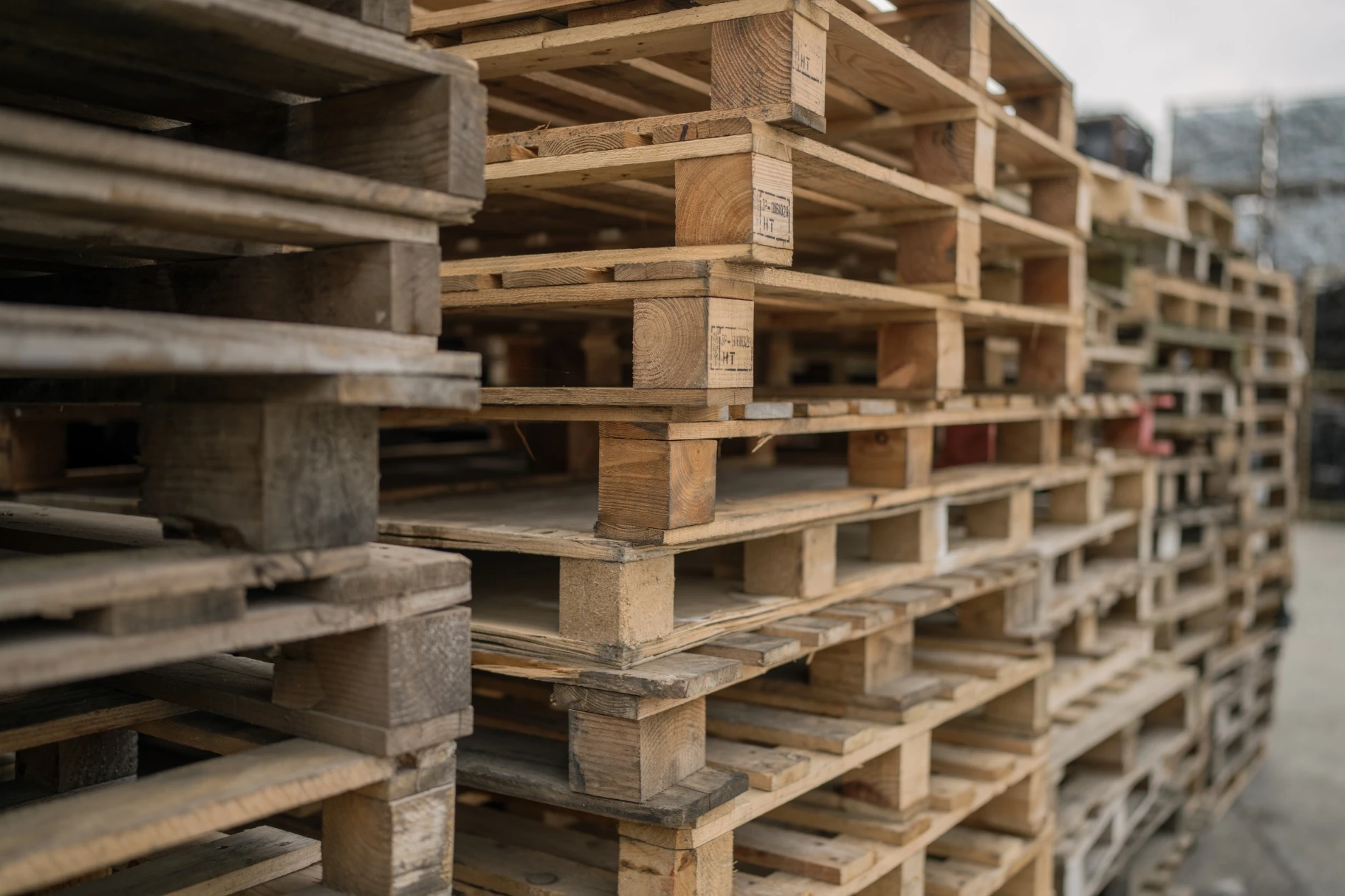
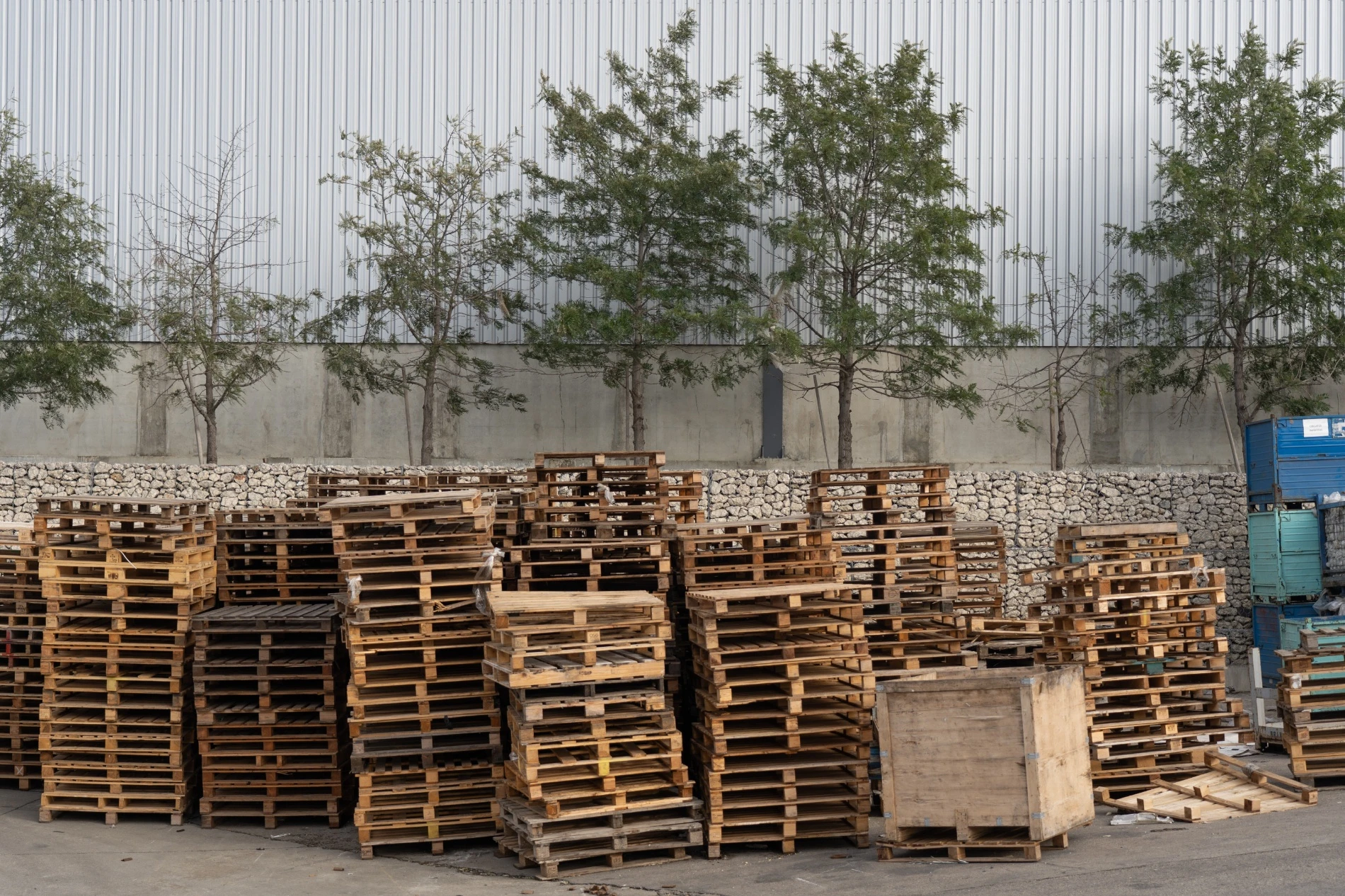
We manage wood waste from industry, commerce and civil construction (pallets, plywood, etc.) and green waste (garden waste, forest cleaning, etc.).
This waste is subject to sorting and other processing for reuse (pallets and wood), recycling (integration into the furniture and pellets industry) or energy recovery (biomass).
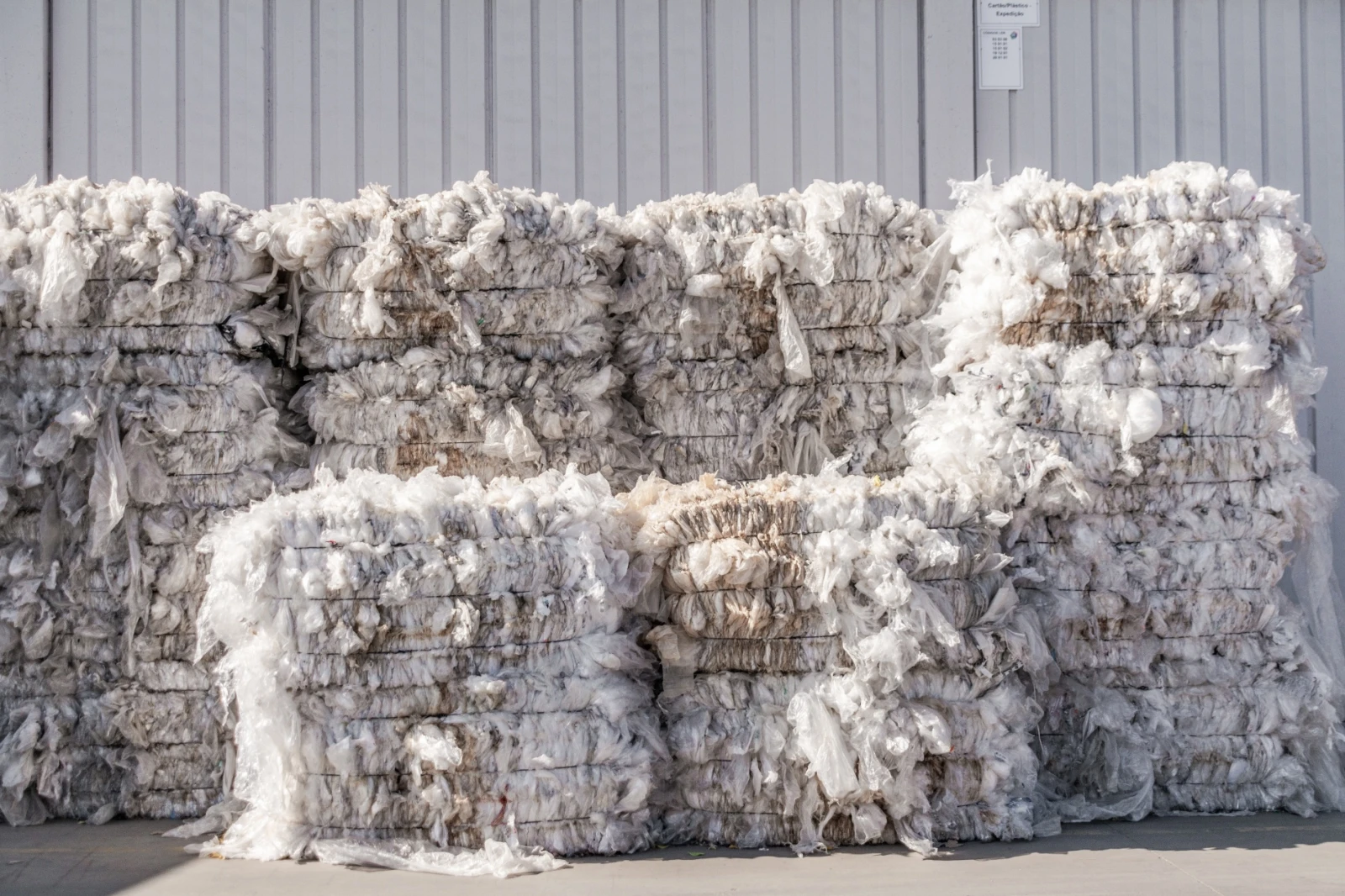
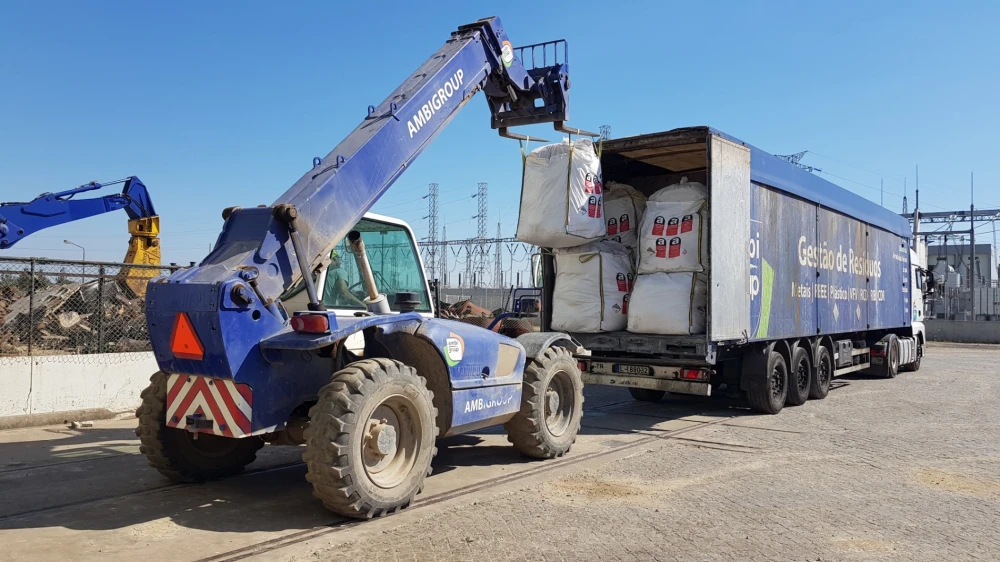
In our units there are processing lines for this flow, where waste is temporarily stored until the treatment process begins. Some examples include packaging, plastic films, agricultural plastics, and bumpers.
Separation is carried out by type of plastic and contaminants are removed, which are then sent to the recycling industry.
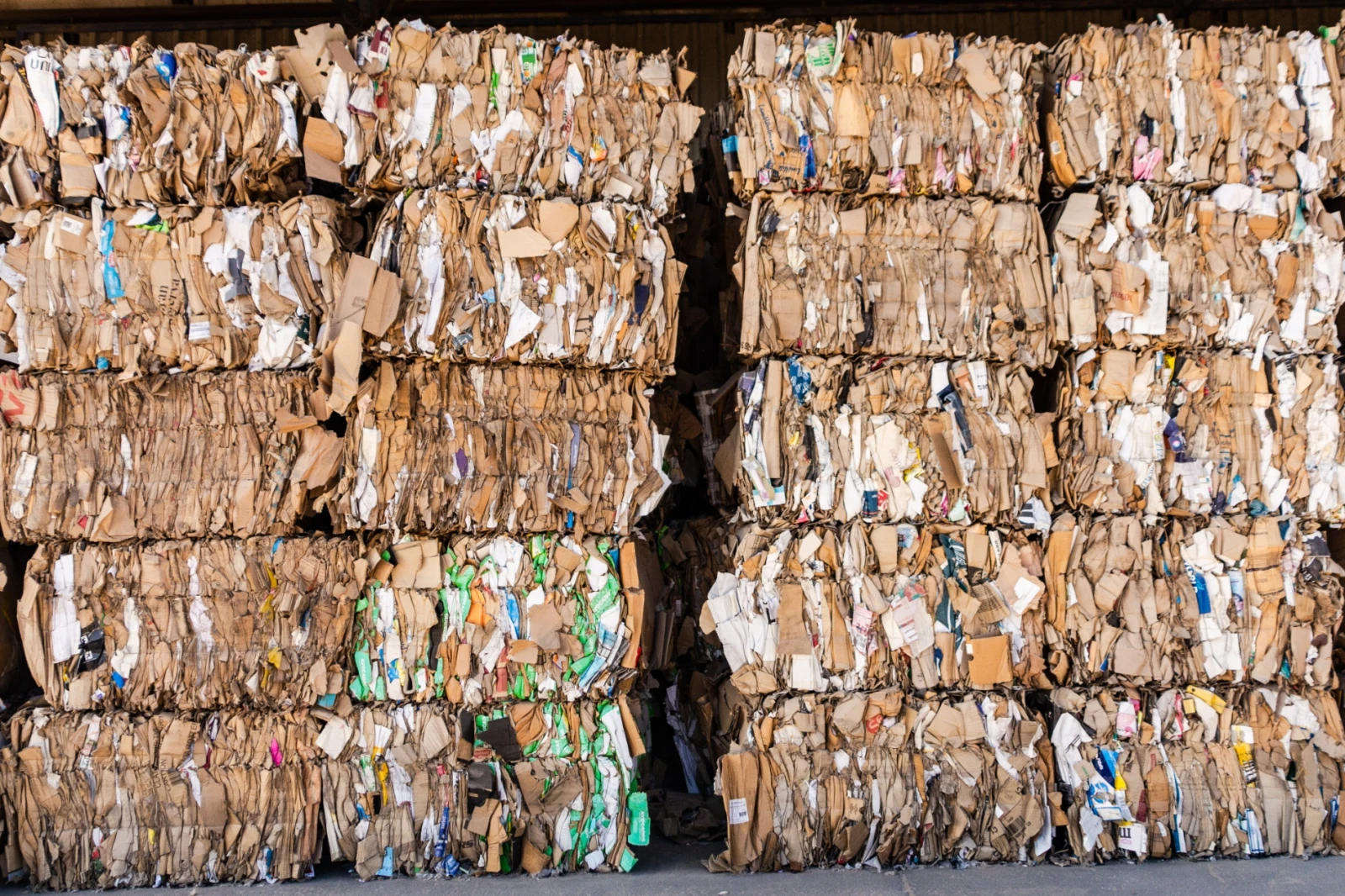
This type of waste comes from various sectors, such as logistics, large retail stores, industry, and other producers of paper and cardboard waste.
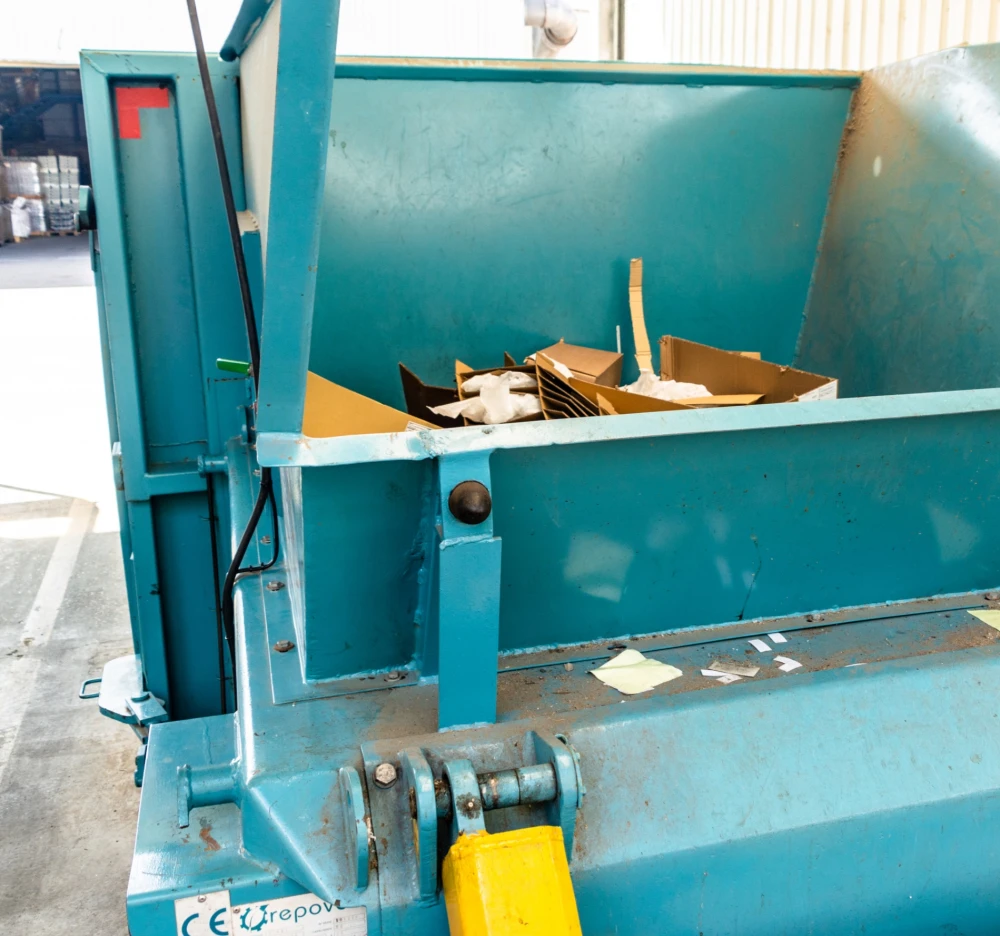
The waste is temporarily stored until the treatment process begins, which involves three phases: (1) sorting by type; (2) removal of contaminants; and finally, (3) compaction of the materials. The paper and cardboard are then sent to the recycling industry.
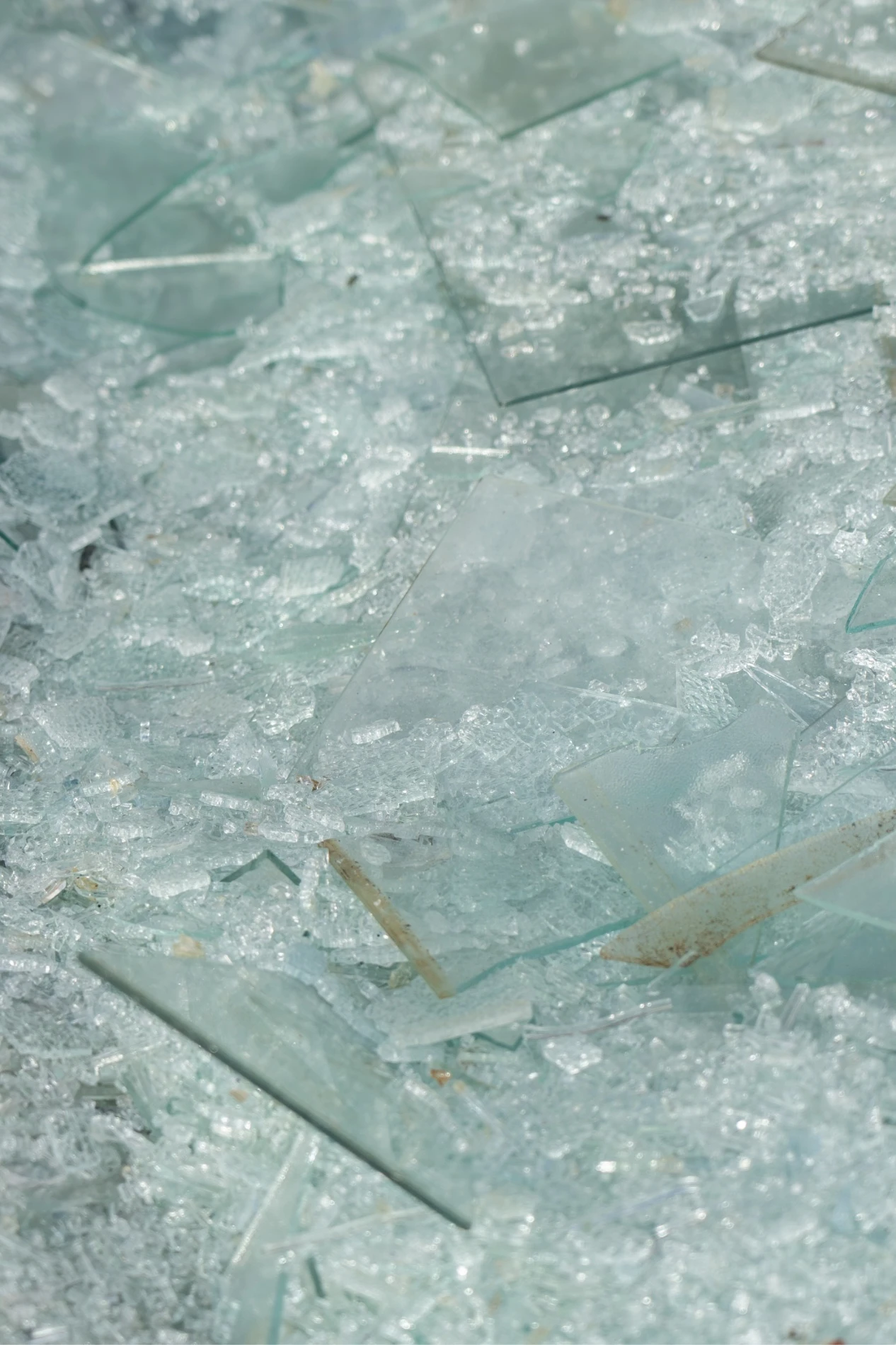
We receive these types of glass waste: packaging, flat glass, windshields, tempered glass and glass contaminated with dangerous substances.
The glass is later reintroduced into the glass industry for recycling. If contaminated with dangerous substances, it is sent for decontamination and subsequent treatment.
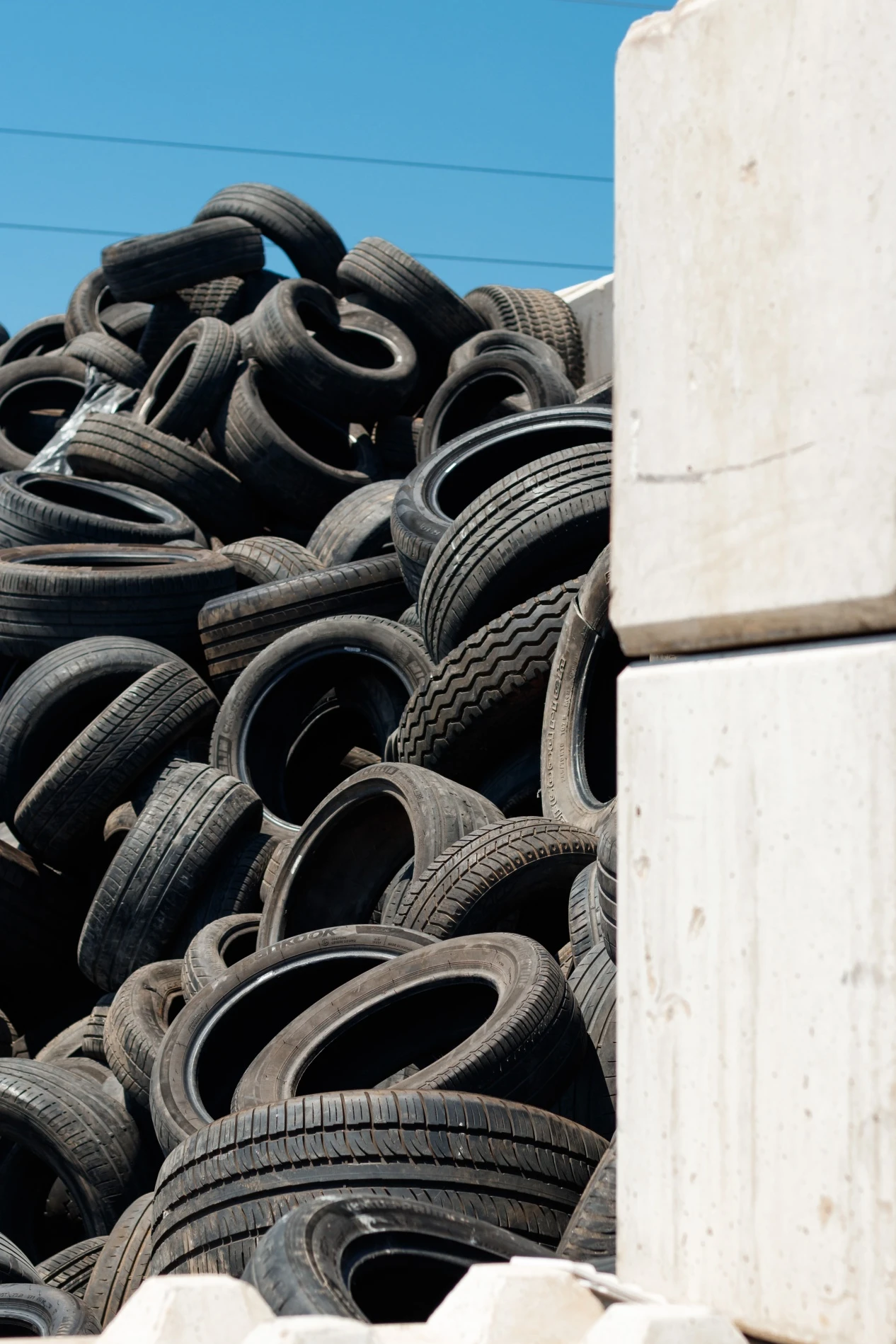
We are part of the Valorpneu network and in our treatment units, used tires are stored and subsequently separated by type: light, heavy, damaged and solid. Each flow is sent for recycling or energy recovery.
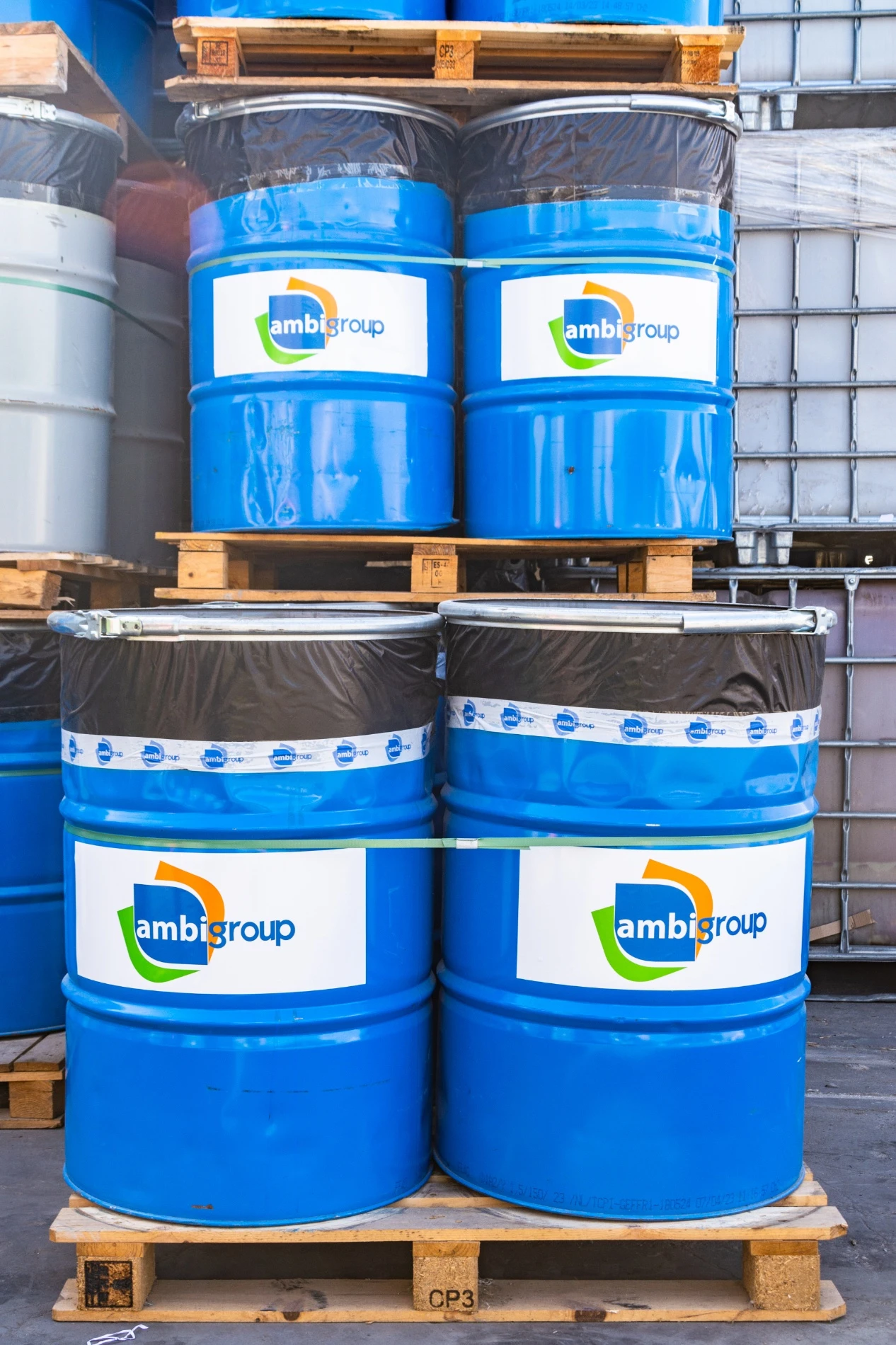
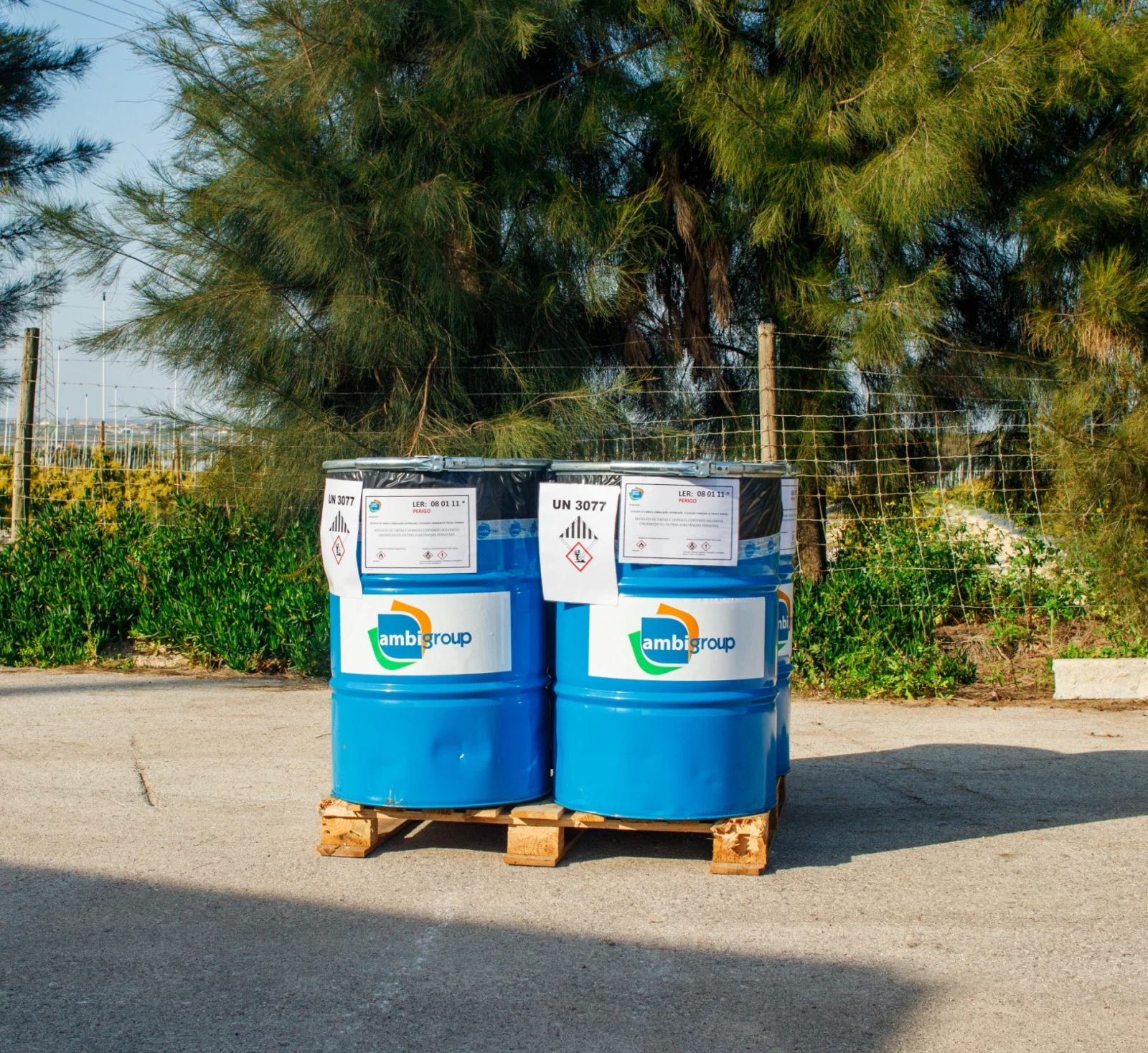
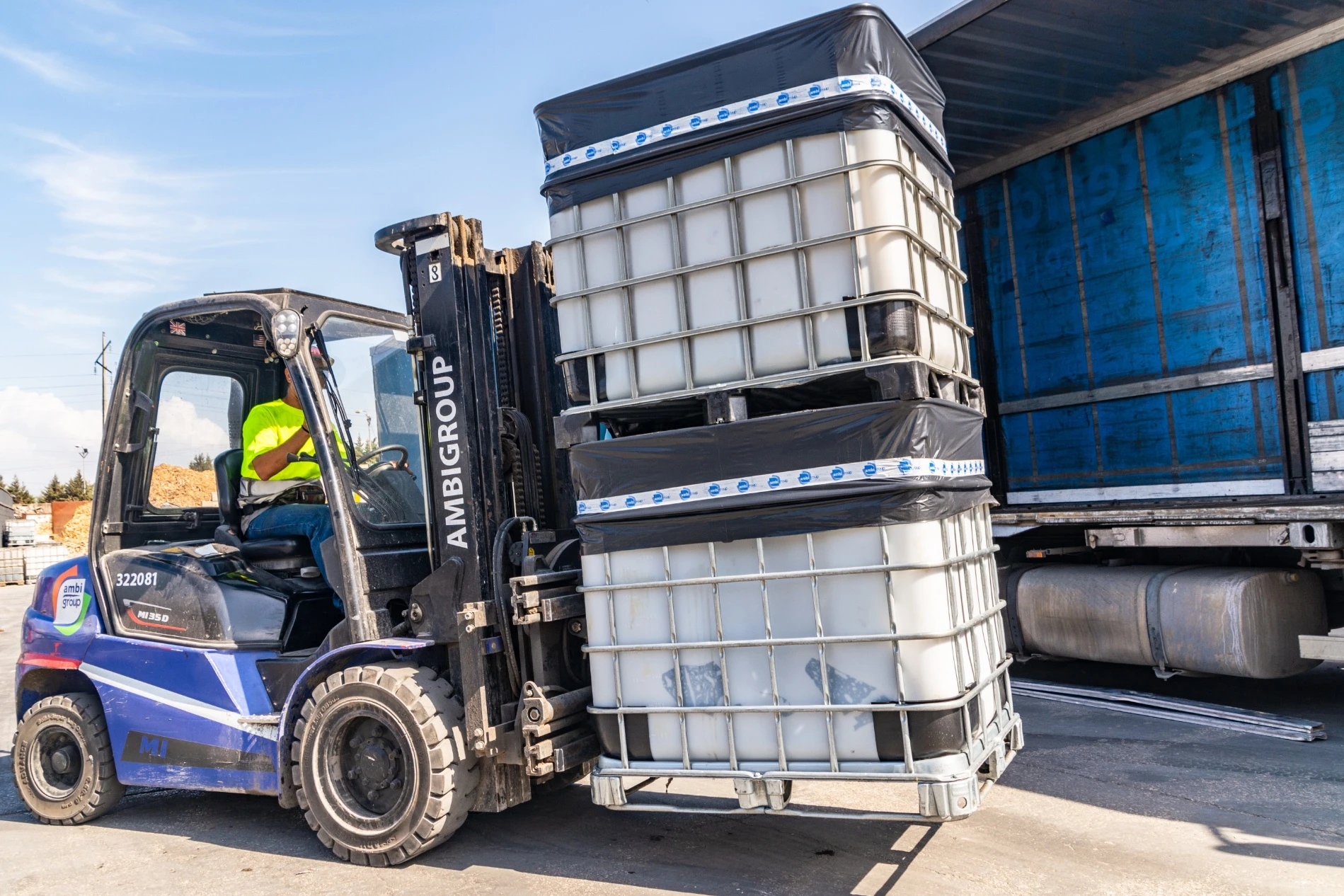
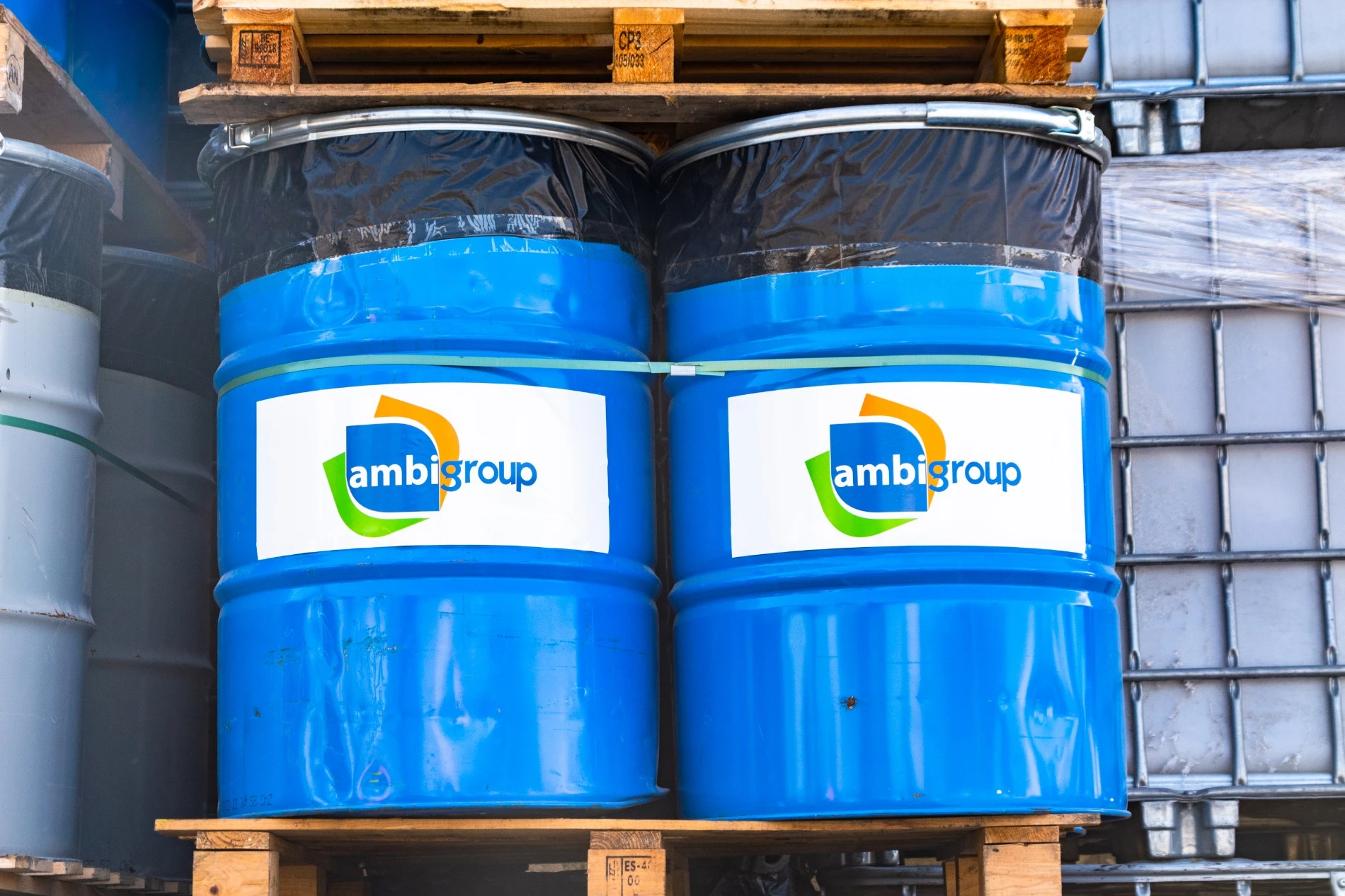
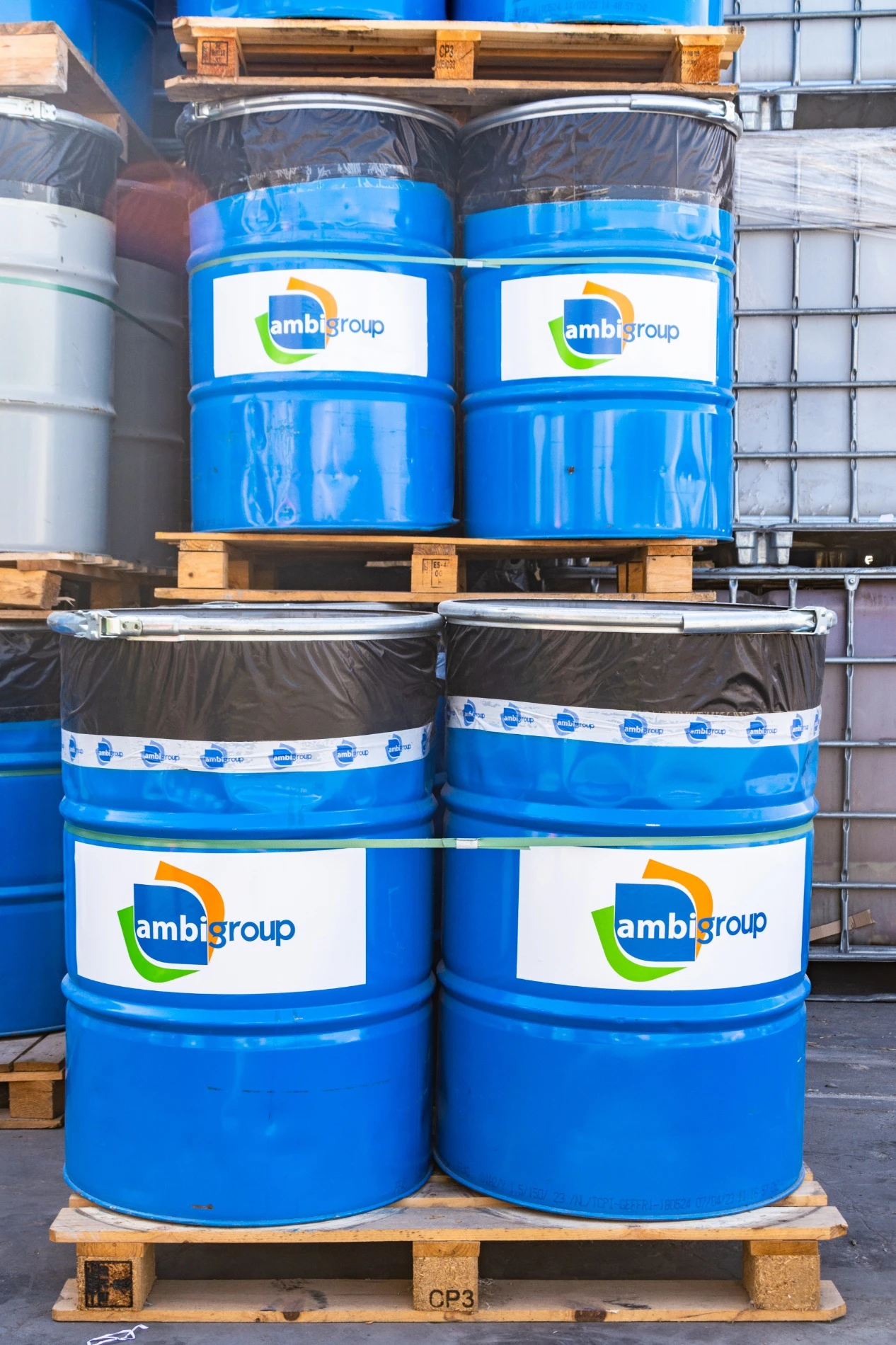
This type of waste is found in paints, contaminated empty containers, absorbents, oils, asbestos, chemicals, and others.
At our facilities, hazardous waste is properly classified and processed according to recovery or disposal operations. In the treatment sites, we are fully licensed and comply with current legislation to carry out these activities.
Ultimately, after all possibilities for recovery have been exhausted, the wasteis directed to safe and controlled disposal.
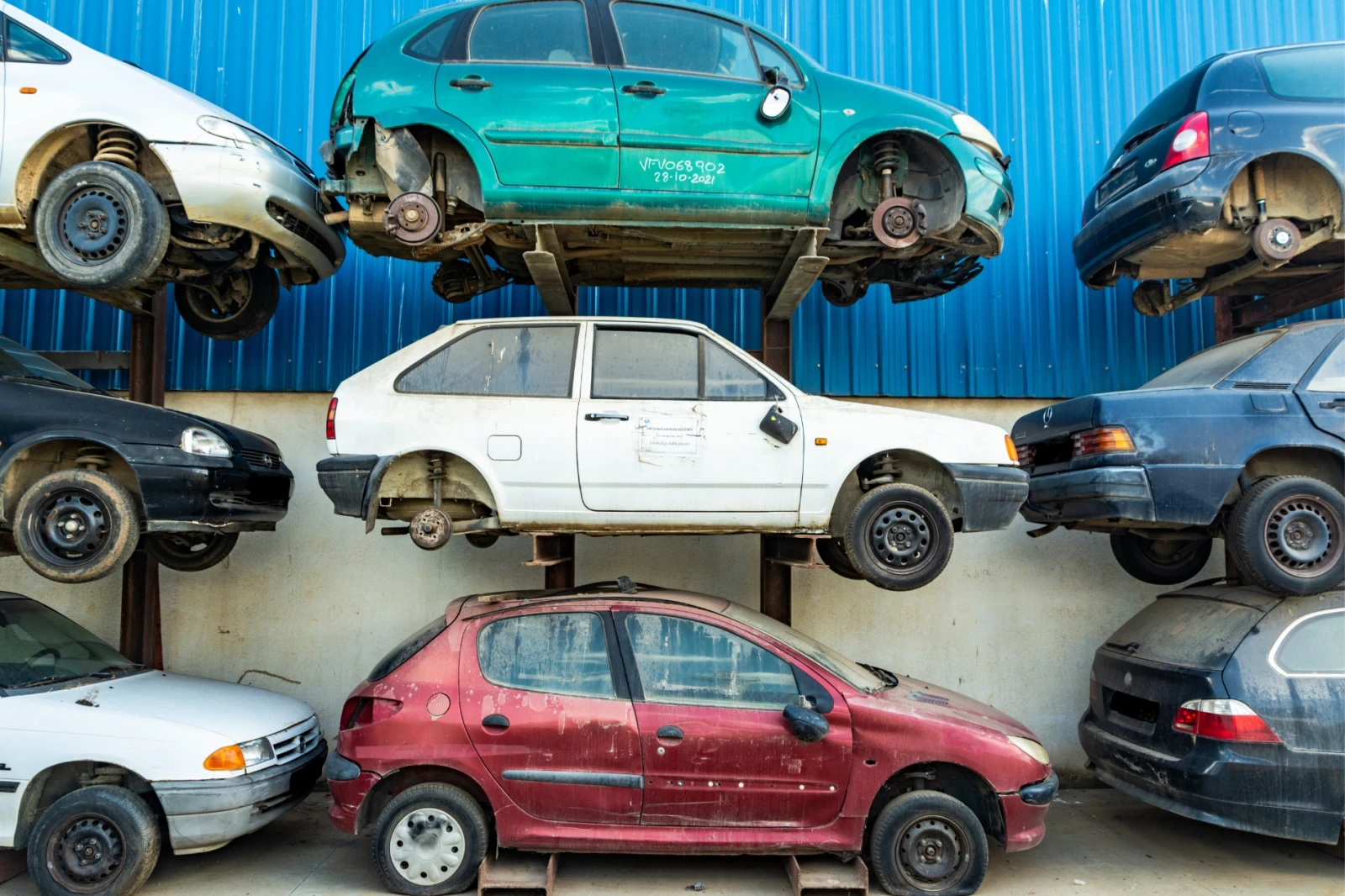
We have 5 licensed centers for the scrapping of end-of-life vehicles (ELV). This activity consists of receiving and/or collecting ELV, temporary storage, depollution, dismantling, slaughter at IMT and forwarding to a suitable final destination.
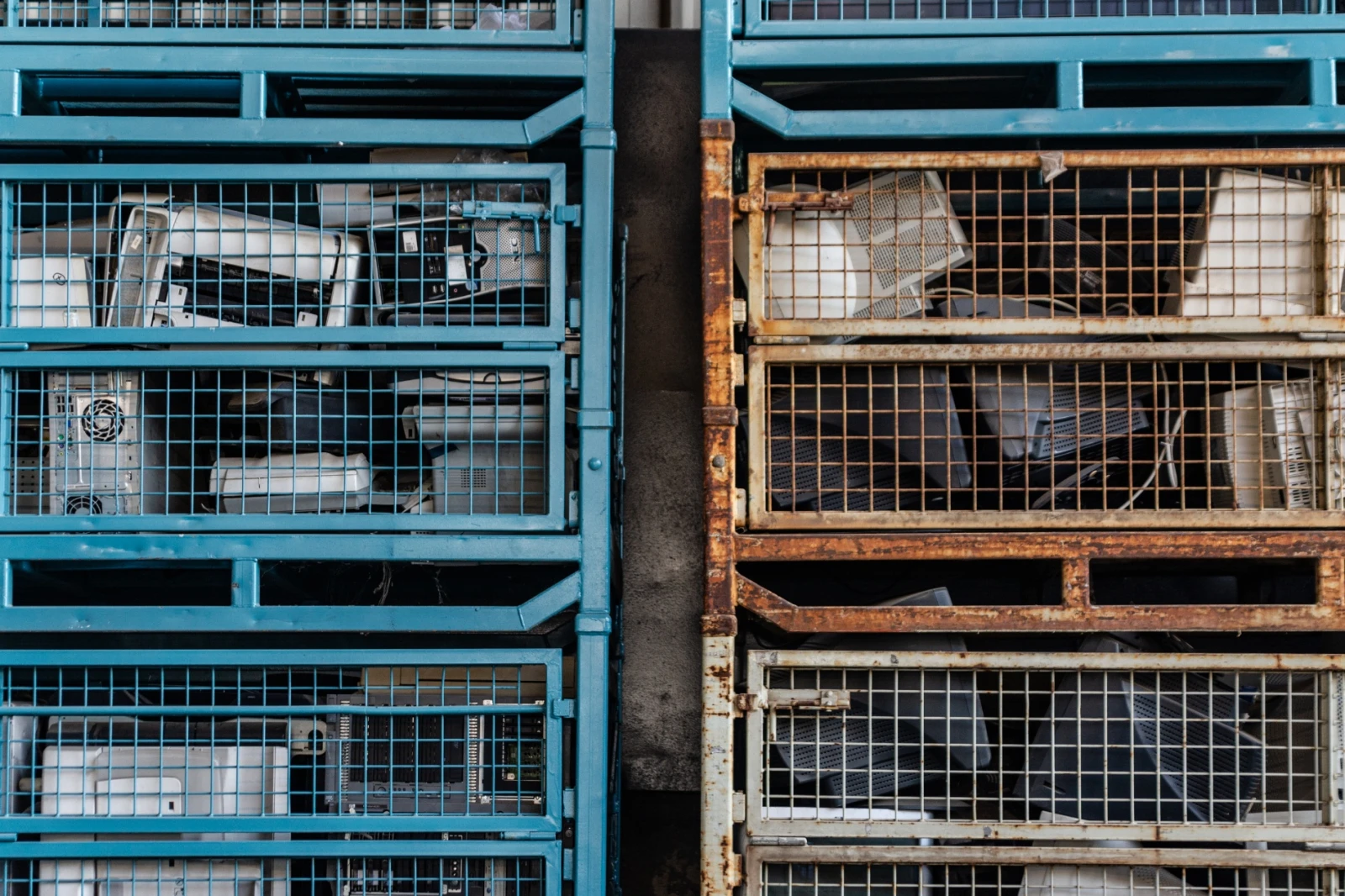
When received, WEEE are organized by category to be properly processed afterward.
The categories are divided into: Cooling Equipment, Televisions and Monitors, Air Conditioning Equipment, Large Equipment, Small Equipment.
These wastes are subsequently sent for recycling at our WEEE facility.
Integrated Waste Management
From the beginning, we sought to provide complementary specialized services.
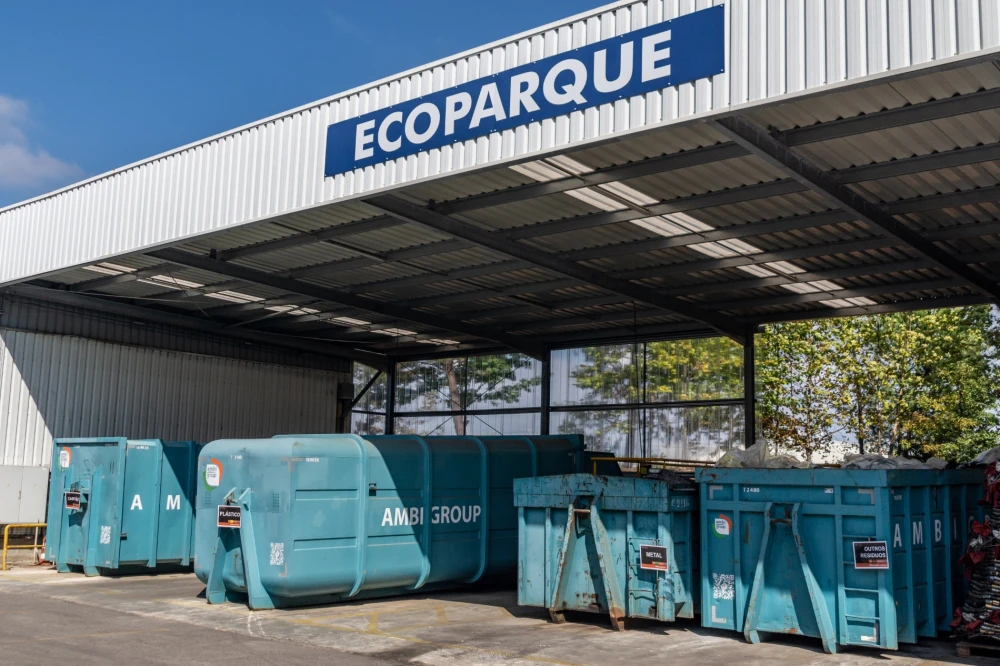
In partnership with the producer, we provide services for the implementation of recycling centers at the customer's facilities. This concept encompasses the placement, collection and transportation of waste from various points on the customer's premises to the recycling center, where its recycling is carried out.
We also have a digital platform to make it easier for the customer to monitor the entire process and obtain information.
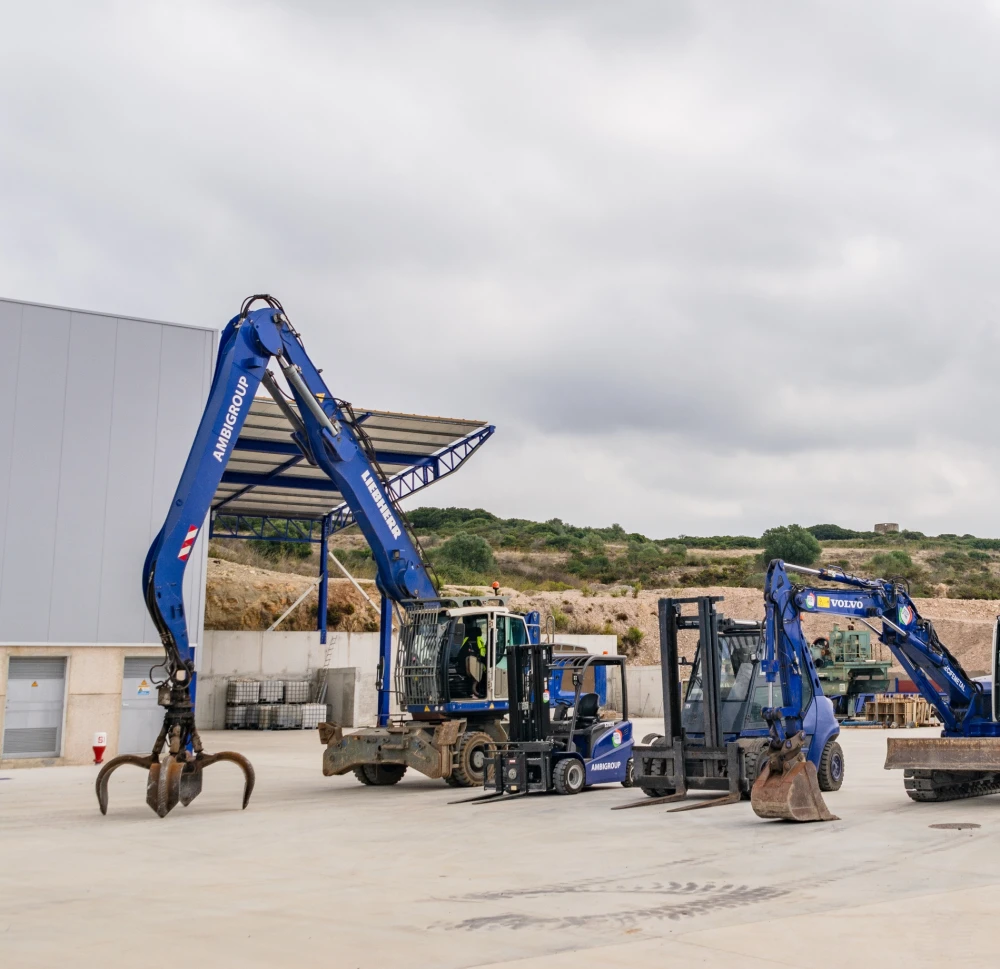
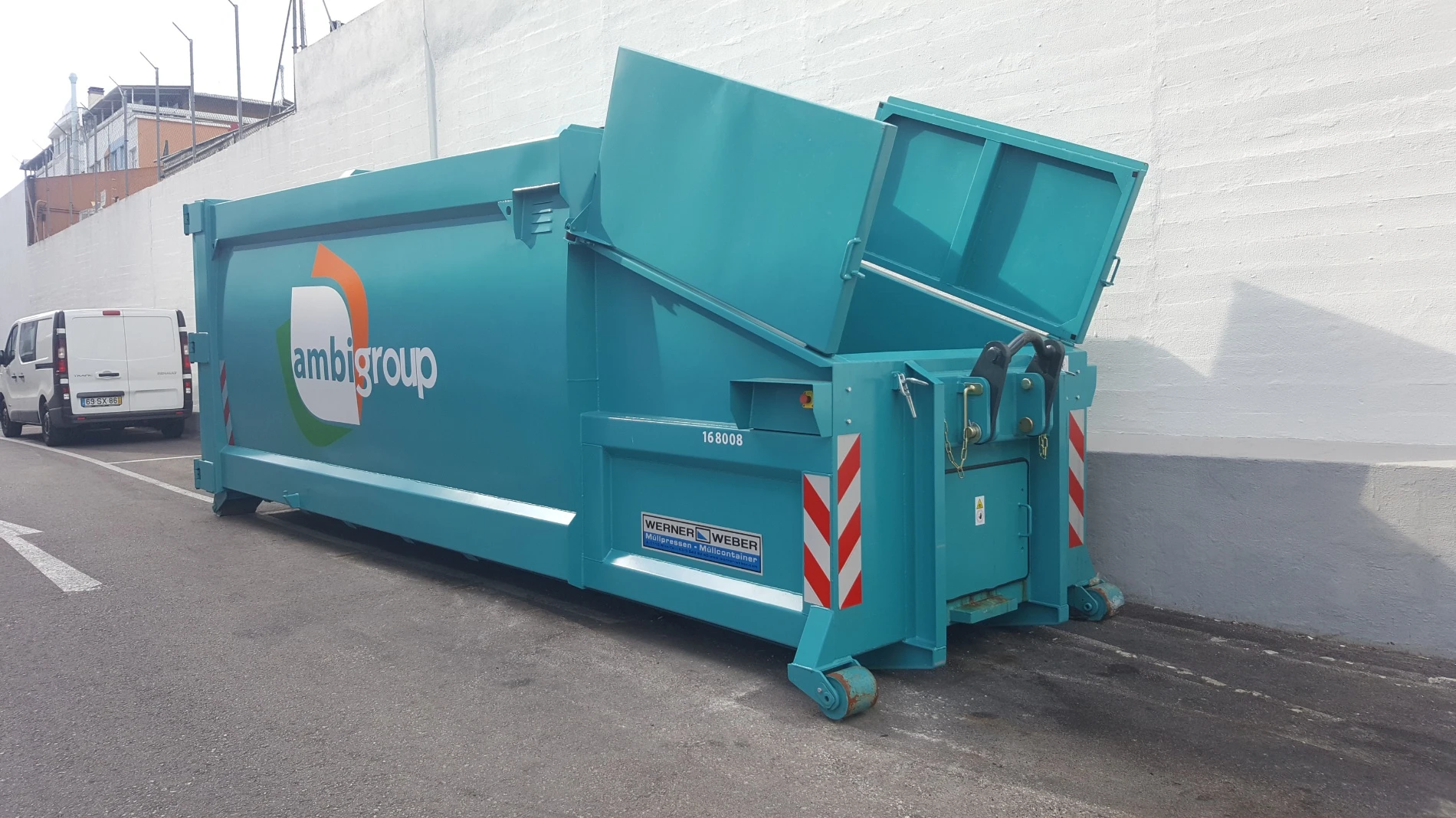
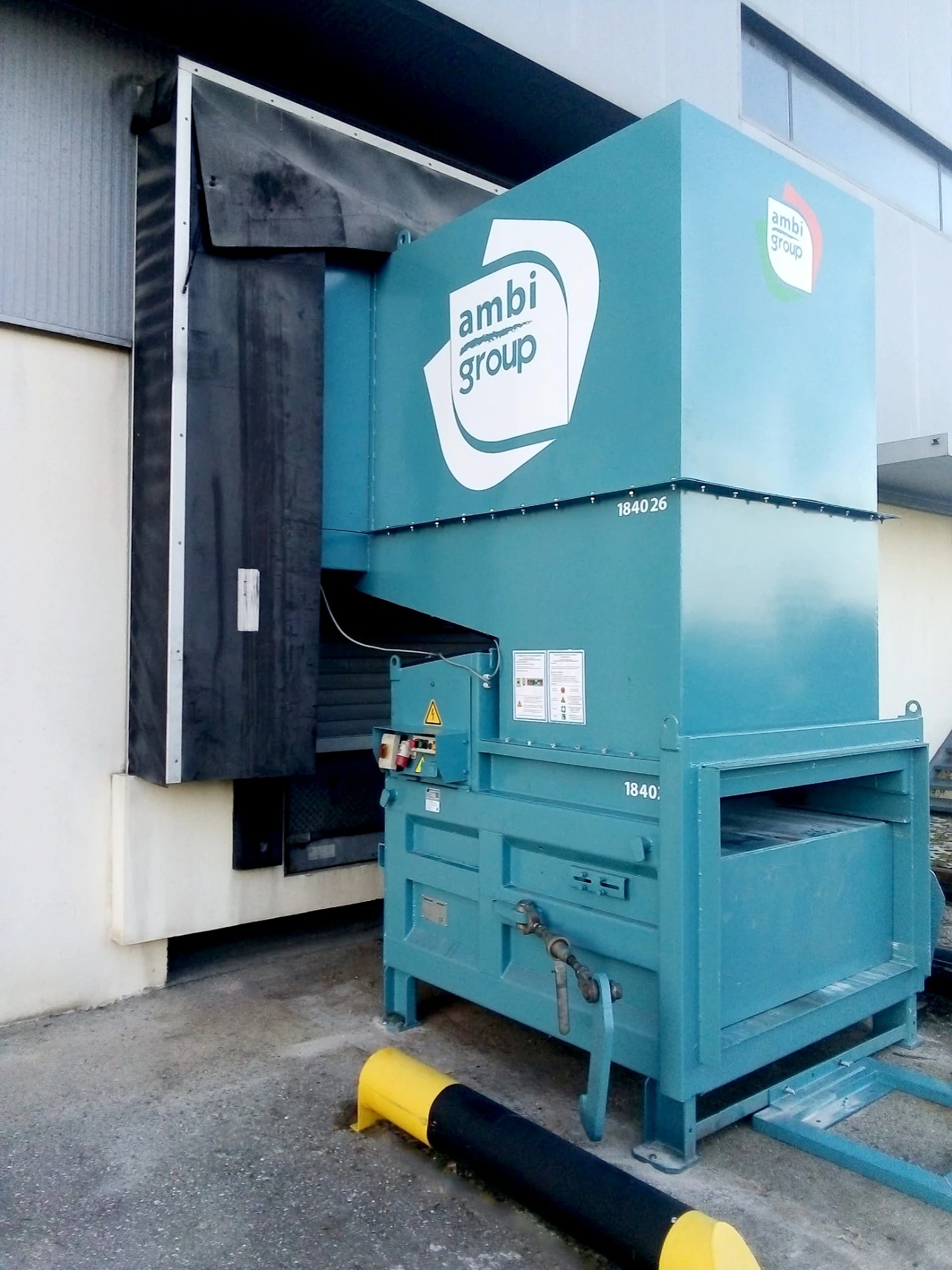
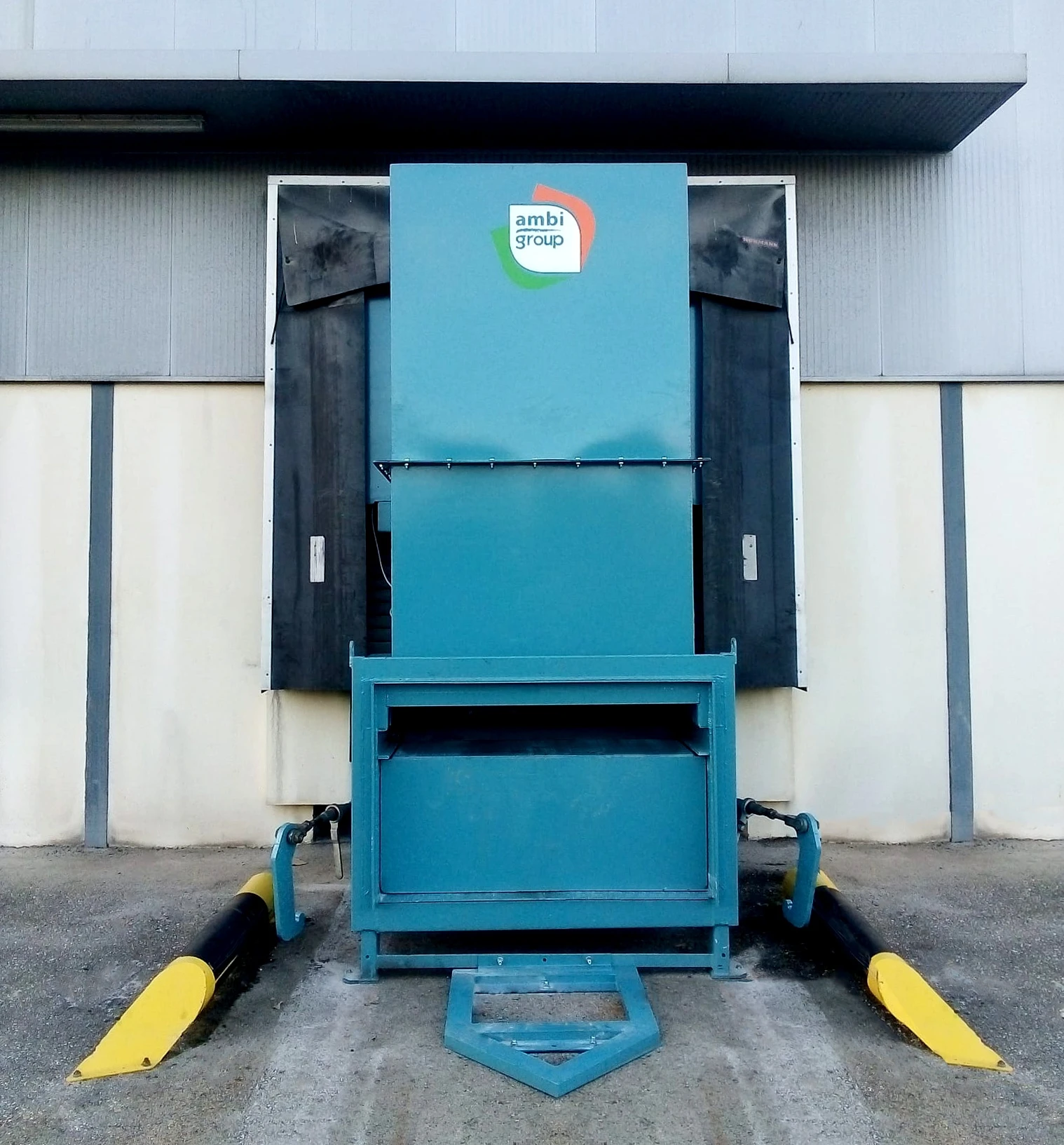
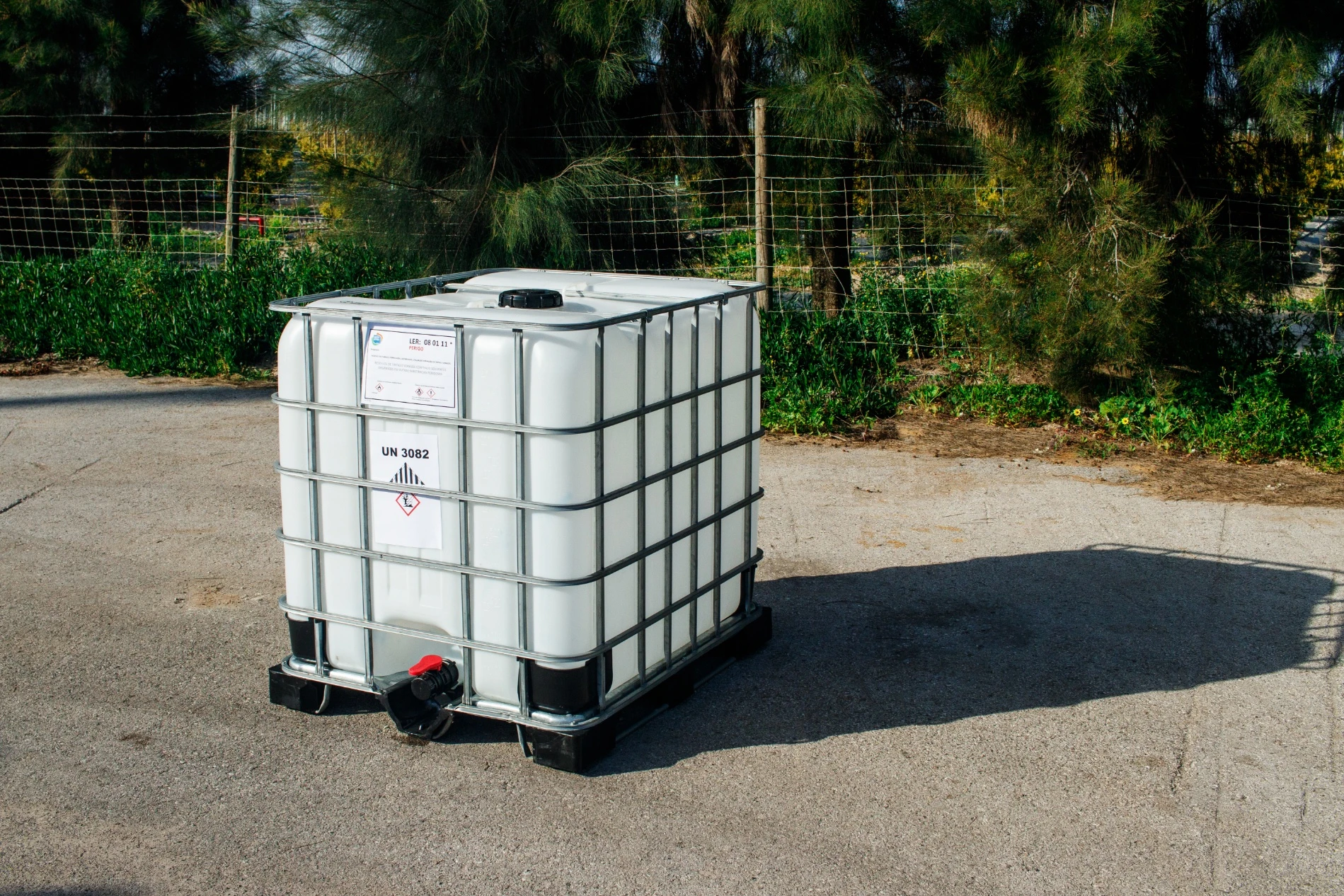
Focused on customer satisfaction, we provide resources for various services, as well as equipment suited to the needs inherent to the activity.
We destroy documents and products using a variety of techniques and processes, having experience in tax dismantling. The service provided includes the issuance of a destruction certificate.
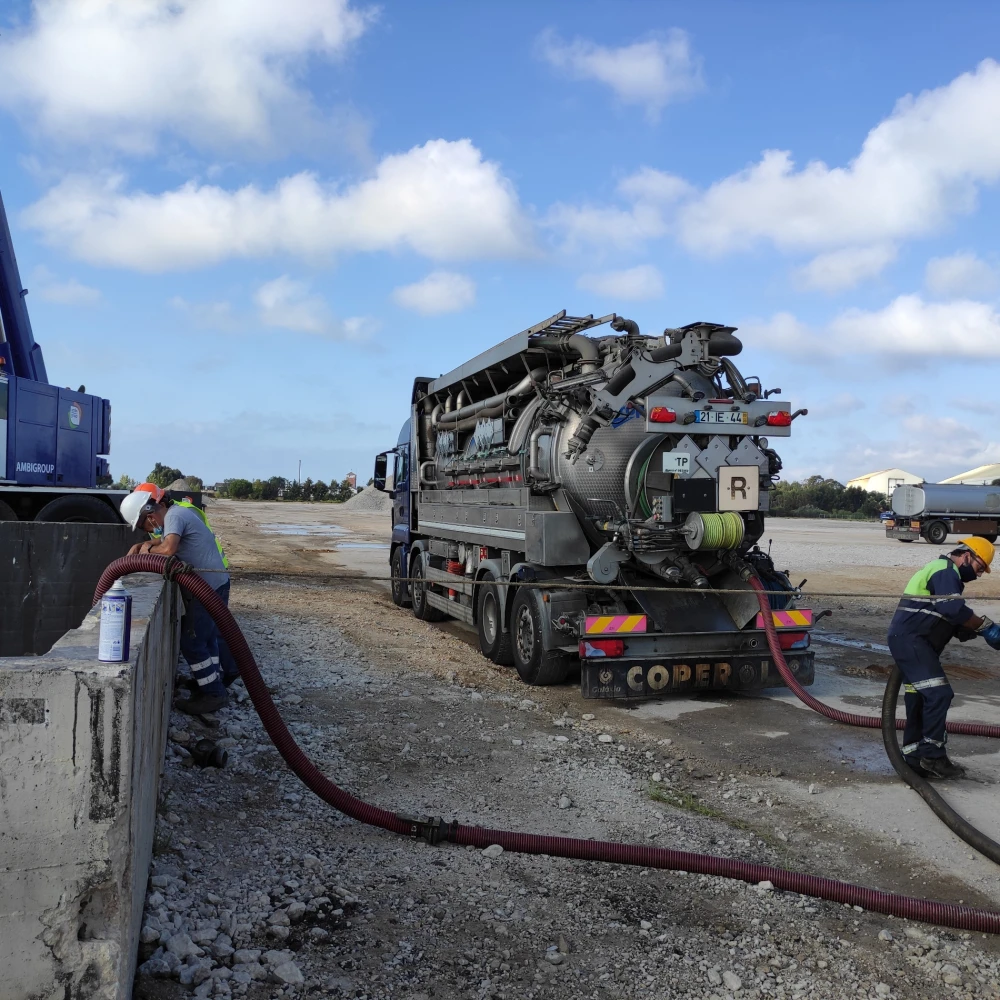
We have the means and solutions to carry out technical and industrial cleaning services, for different types of industry and suited to the customer's needs.
We provide removal, transportation and forwarding services to the final destination under current legislation for materials containing asbestos, sucha as fiber cement tiles, pipes, false ceilings, partitions and other products containing asbestos.
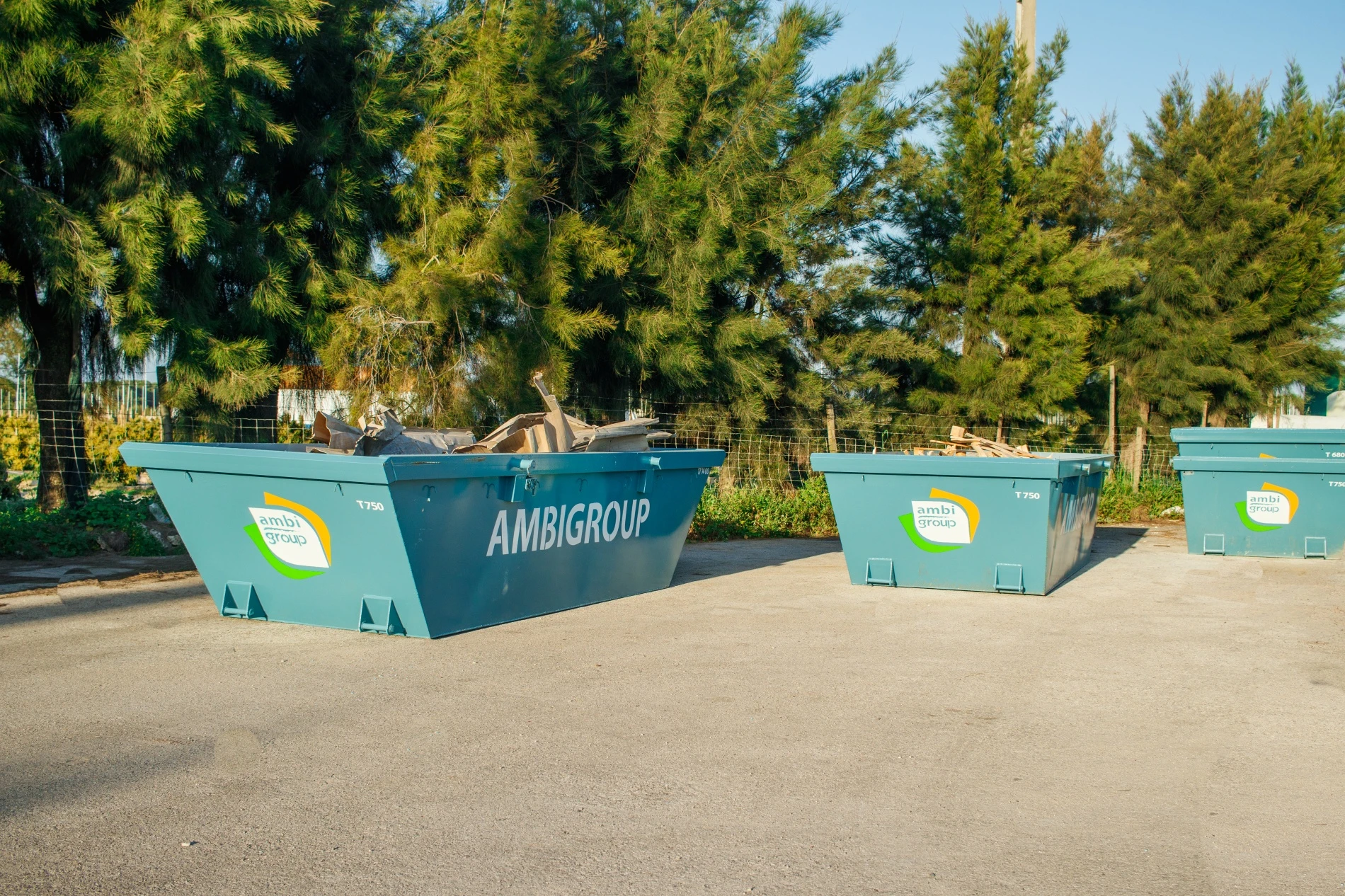
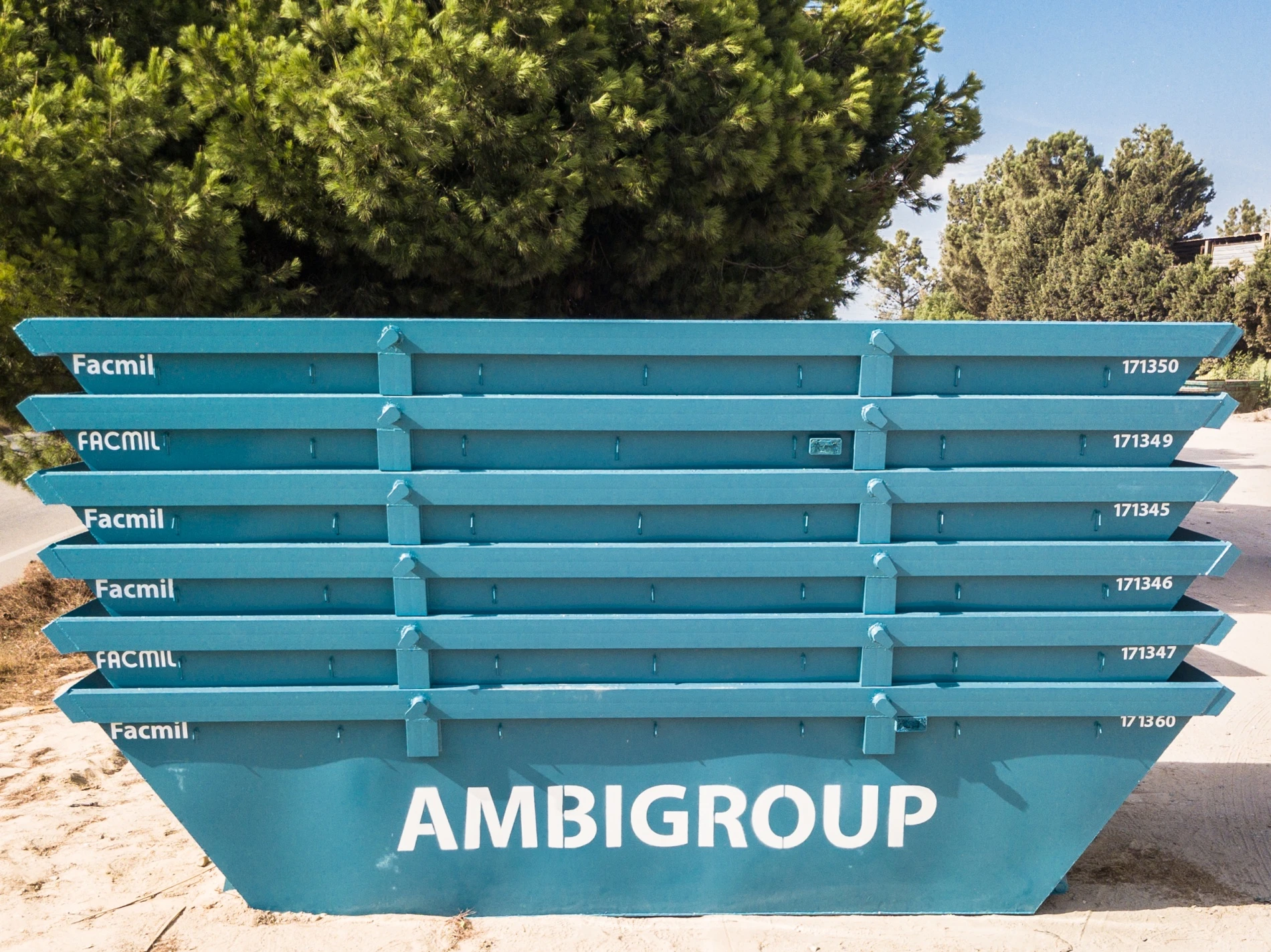
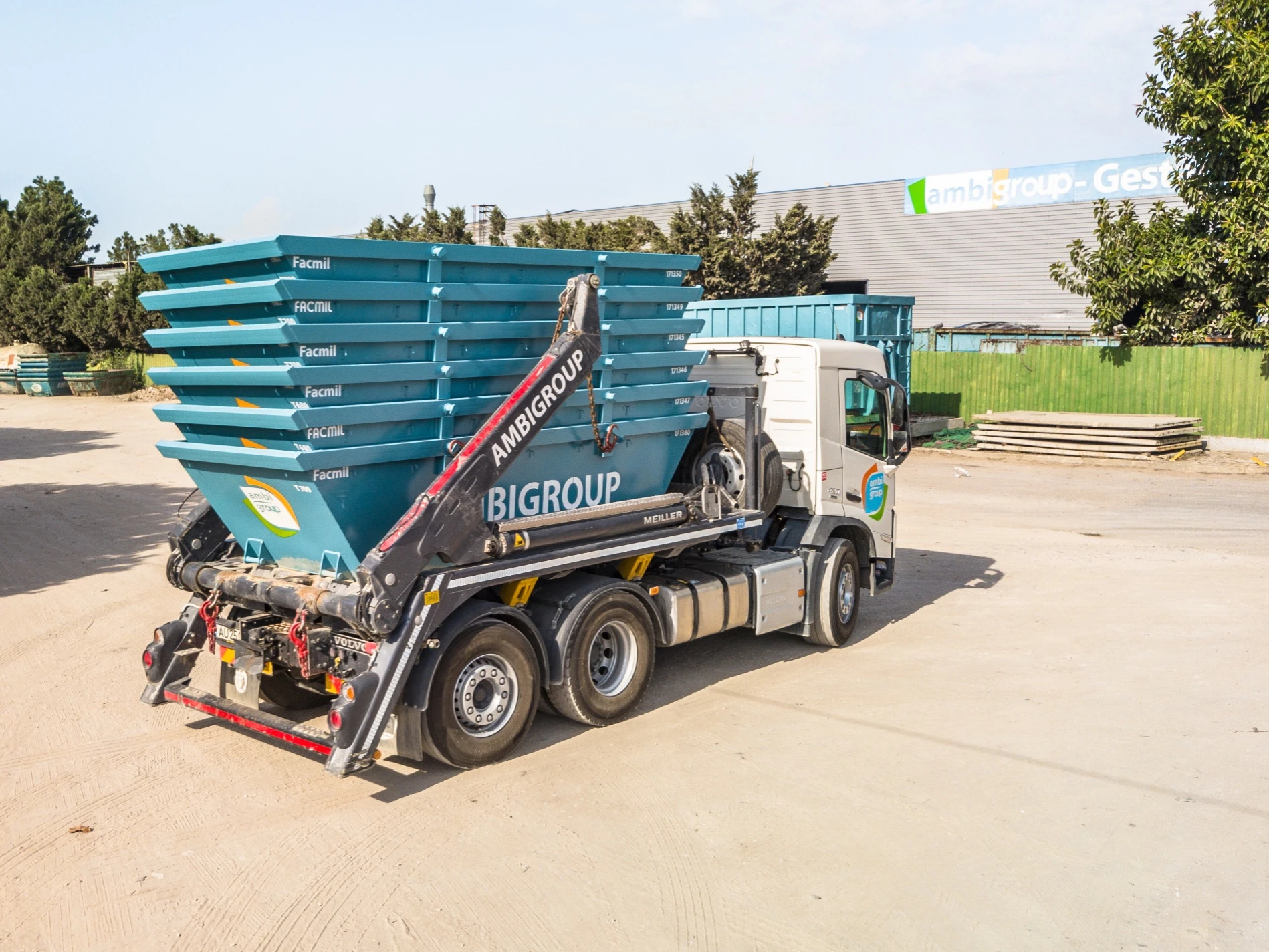
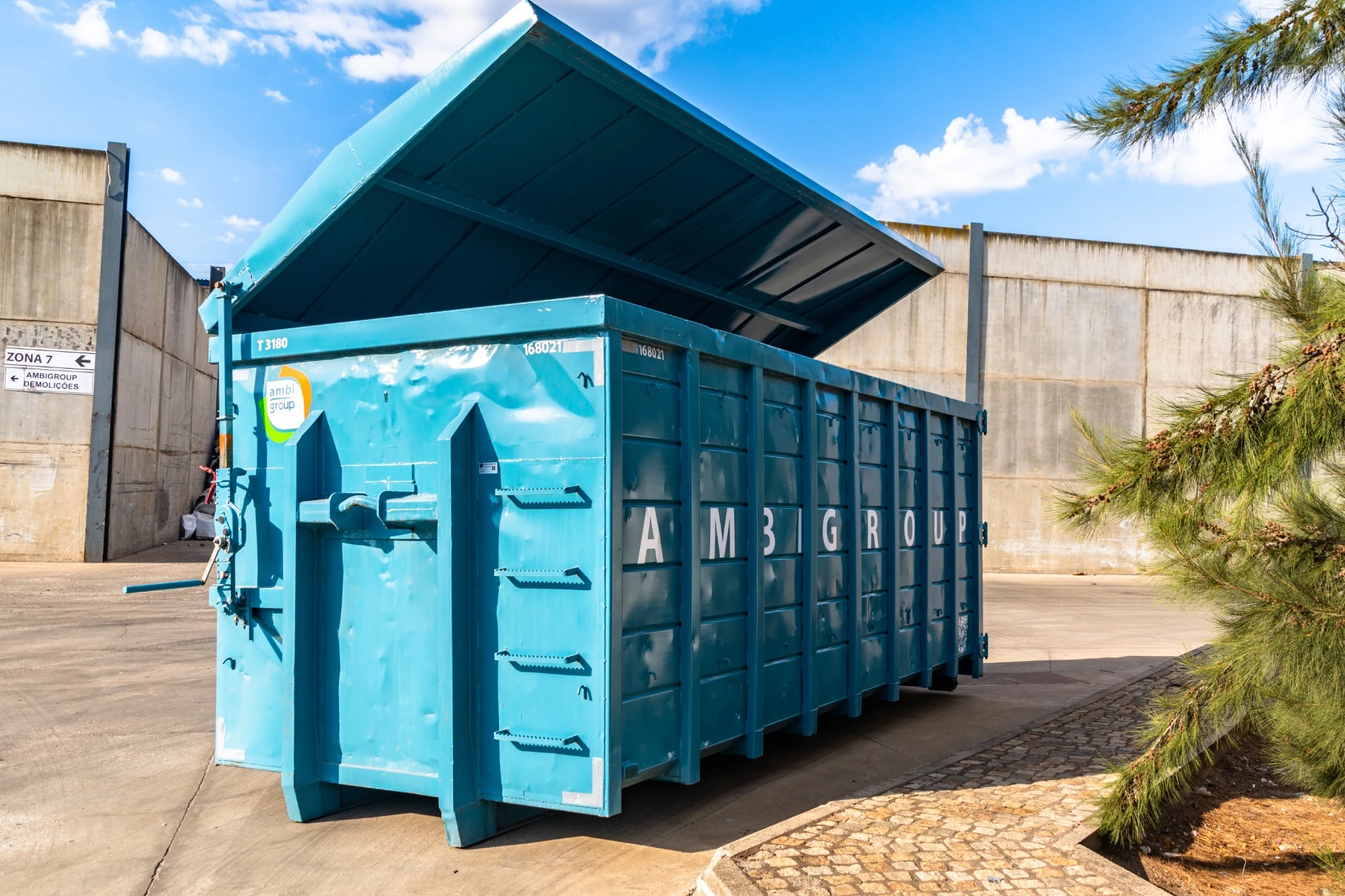
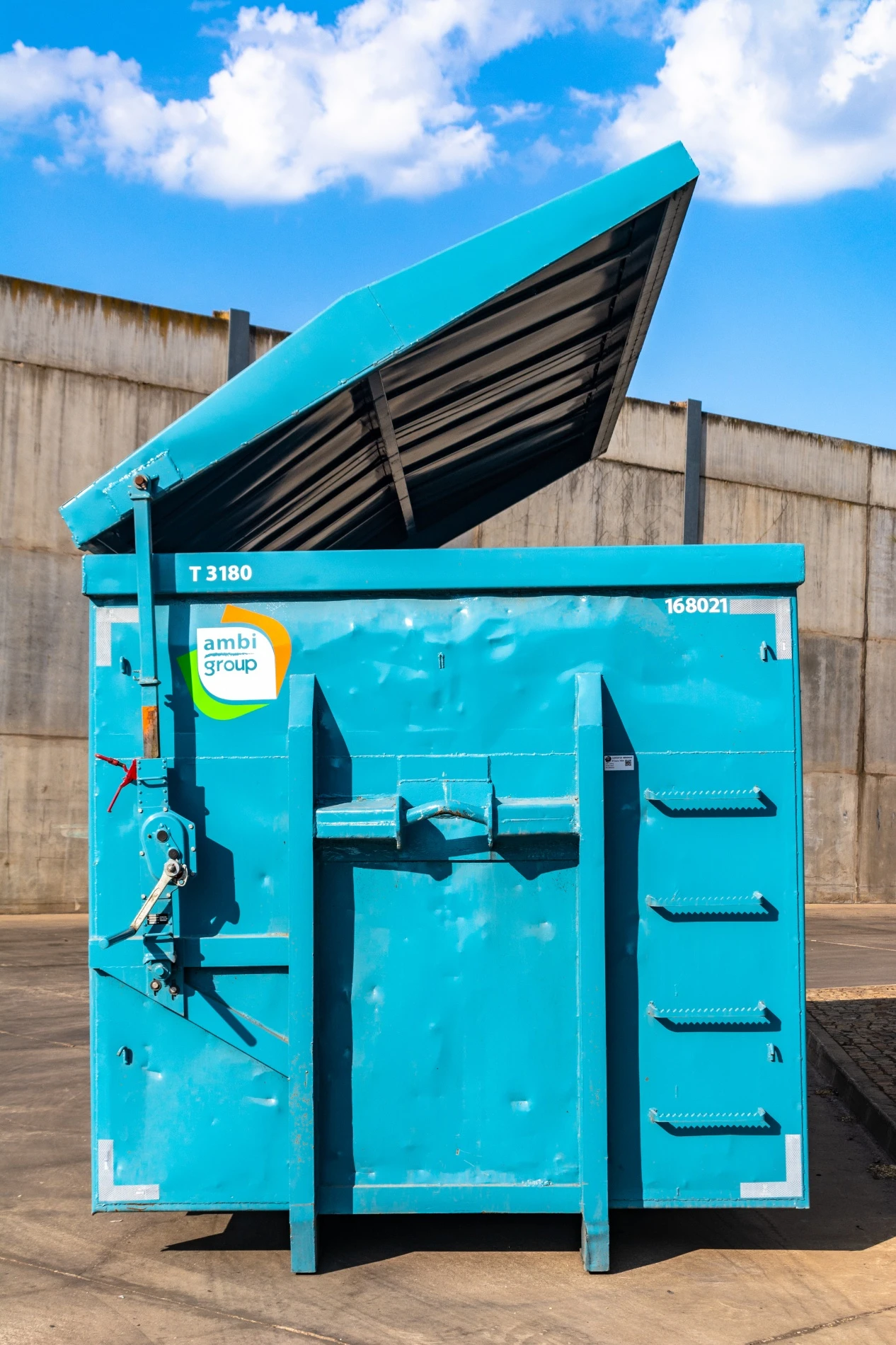
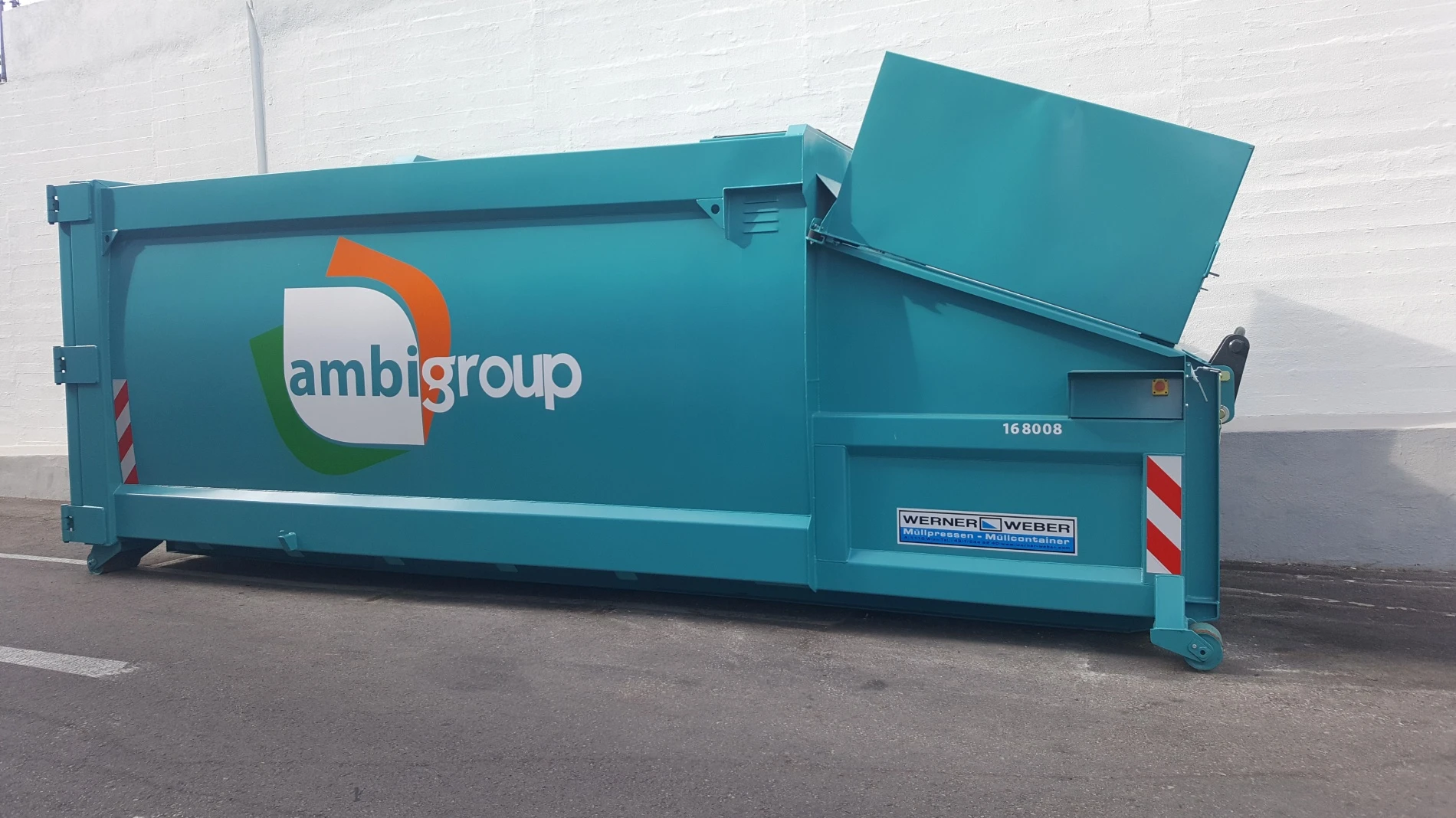
Containers and Packaging
Get to know us in a minute
Efficient waste management for a cleaner and more sustainable future.